The busiest season of the publishing year is upon us, bringing a deluge of books to sift through as you curate your TBR list. We’ve got you covered. Below, you’ll find some 130 books out this fall that we’re excited about here at The Millions. Some we’ve already read in galley form; others we’re simply eager to dive into based on their authors or subjects. We leaned on our friends at Publishers Weekly to help blurb some of the many, many titles that we’re eager to put on your radar.
—Sophia Stewart, editor
While we’re still on an editorial hiatus, we’re working hard to continue producing our seasonal previews—we hope to return to our full operations soon.
*
October
Literary Voyagers by Andrew Wittkop (Belt)
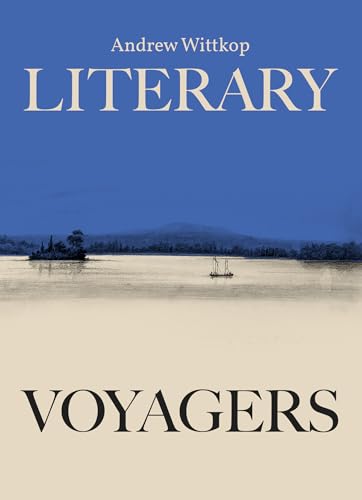
Educator and researcher Wittkop resurfaces in this evocative debut history a long-forgotten meeting between two notable literary women of the 19th century. Read more.
The Vanishing Family by Robert Kolker (Doubleday)
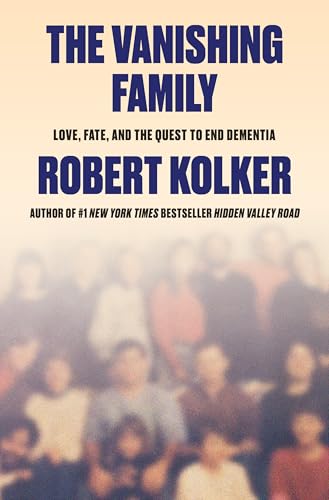
Journalist Kolker delivers a moving account of one Pennsylvania family’s struggle with a rare inherited form of frontotemporal dementia, a devastating neurodegenerative disorder that gradually erodes personality, judgment, and language. Read more.
Prairie Oyster by Sophie Robinson (University of Iowa)
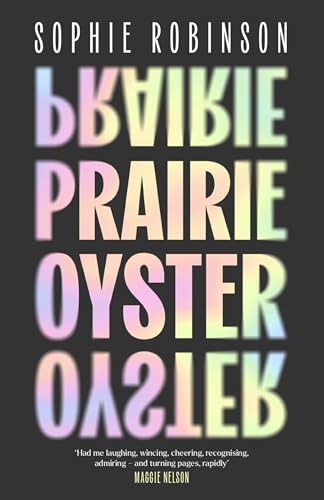
A promising filmmaker with a history of addictive behavior becomes obsessed with a fellow queer director in the unsparing debut novel from poet Robinson. Read more.
Monstrous Bitch by Eleanor Johnson (Princeton)
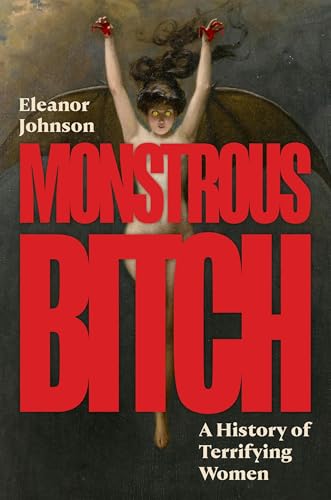
“Patriarchy has needed—for literally thousands of years—to embody in monstrous form the things about women that it most desperately feared,” according to this riveting study from Columbia University comparative literature professor Johnson. Read more.
Bruja’s Nest by Brenda LaTorre (Creature)
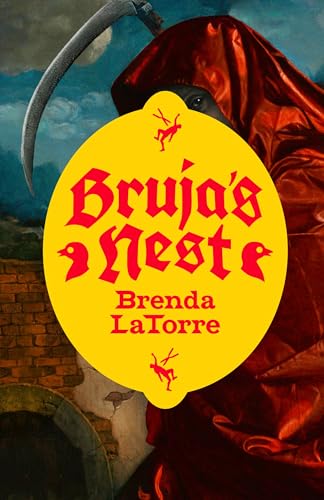
LaTorre’s assured debut blends feminist folk horror with visceral body horror in a piercing tale of class aspiration and monstrous motherhood. Read more.
The Savage Mind by David Teurer (Little, Brown)
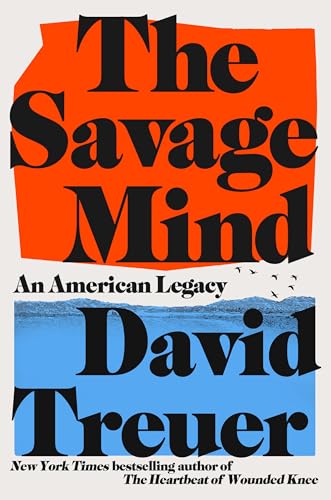
Critic Treuer offers a searing blend of history and memoir, written as a letter to his children. Read more.
Death of an Ordinary Man by Sarah Perry (Mariner)
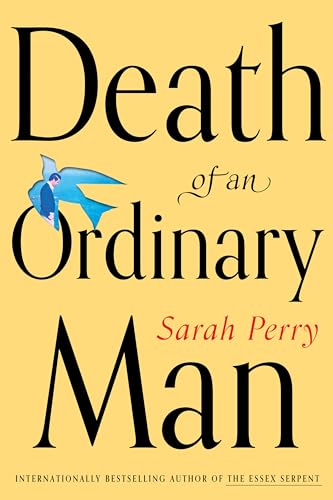
Part loving tribute to her father-in-law, part meditation on the process of dying, this outstanding memoir from Perry is marked by a novelist’s economy of language and imagery. Read more.
Vaim Hotel by Jon Fosse, tr. Damion Searls (Transit)
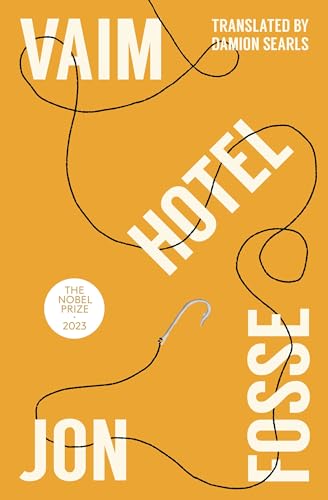
“Why exactly I came to Vaim and checked into The Vaim Hotel, no, I don’t know,” begins this transfixing companion piece to Fosse’s Vaim, the second in a planned trilogy set in the eponymous Norwegian fishing village. Read more.
A Compendium of Supernatural Entities Found in the Government Girls Higher Secondary School by Kuzhali Manickavel (Angry Robot)
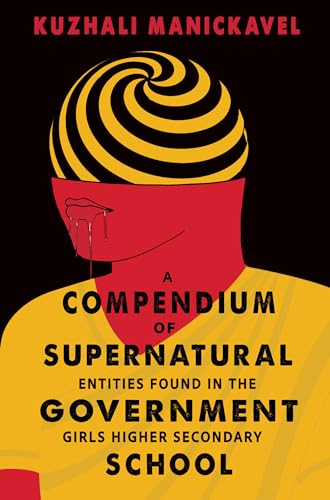
Manickavel makes her full-length debut with this wonderfully strange work of magical realism that toggles between a quietly profound queer coming-of-age tale and entries from the fictional compendium for which the book is named. Read more.
Hotel Casanova by Annie Ernaux, tr. Alison L. Strayer (Seven Stories)
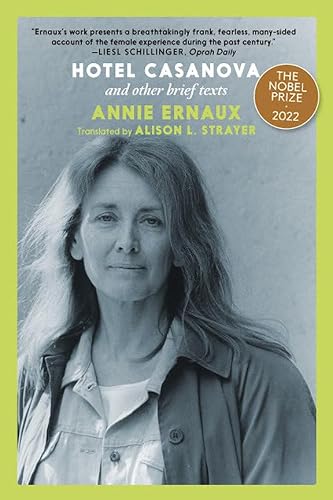
This penetrating collection from Nobel Prize winner Ernaux combines brief personal vignettes on loss and alienation with reflections on literature and politics, all written between 1984 and 2006. Read more.
The Woman Who Heard the Sun and Other True Stories Overlooked by History by Amisha Padnani (Ten Speed)

New York Times obituaries editor Padnani profiles in this incisive collection 18 individuals “whose creativity, courage, and curiosity helped shape the world.” Read more.
How to Look Away by Daniel Peña (One World)
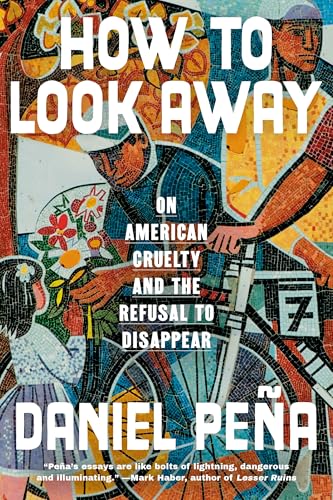
Pushcart Prize winner Peña interrogates Americans’ simultaneous attraction to and denial of violence, especially against people of color, in this penetrating essay collection. Read more.
Carrying by Samantha Josephs (Putnam)
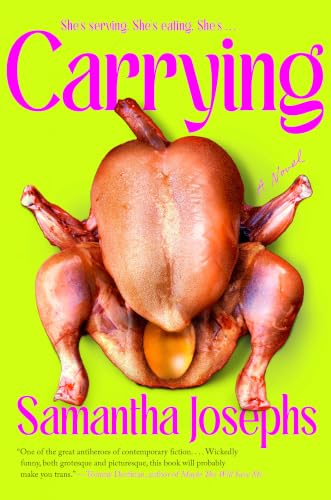
Martha, the trans heroine of Josephs’s exhilarating debut, is completely stealth: she is married to a cis man, Leon, and stepmother to his daughter, without them or anyone in their wealthy Los Angeles circle knowing she is trans. Read more.
Cormac McCarthy: A Legacy Revisited by Tracy Daugherty (St. Martin’s)
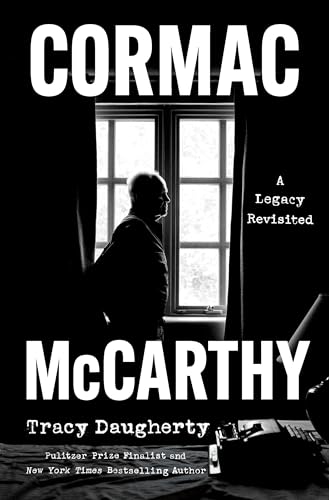
Cormac McCarthy’s novels conjure a bleak American landscape in which characters struggle with temptation and only occasionally find enlightenment and redemption, according to this vivid and sweeping biography from Daugherty. Read more.
Spent Light by Lara Pawson (McNally)
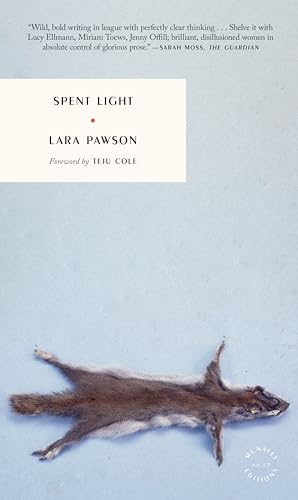
In the perceptive and ruminative debut novel from British memoirist Pawson, an unnamed narrator muses on household objects, things she’s found in the woods, and more. Read more.
The Occidental Book of the Dead by T. Geronimo Johnson (Morrow)
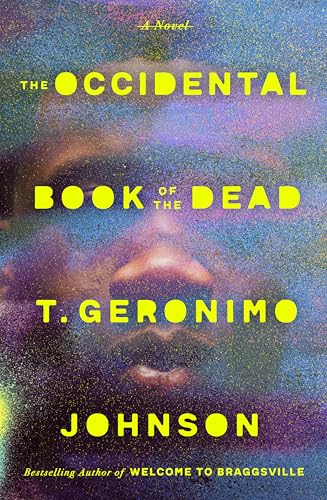
Nothing is what it seems in this spellbinding and profanely funny novel about race, police violence, and distorted narratives from Johnson. Read more.
The Housekeeper by Rose Tremain (Harper)
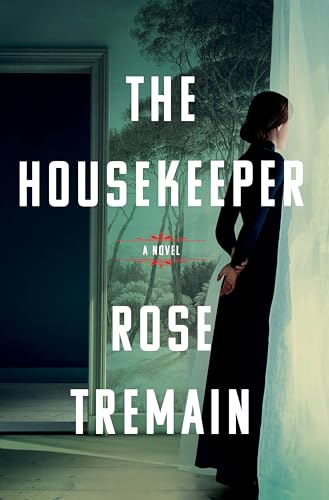
In this smart, simmering sapphic love story, Tremain reimagines the origins of Daphne du Maurier’s Rebecca. Narrator Lilianne Maria “Danni” Danowski, a Polish-born Jewish seamstress, recalls the summer of 1936, when she became housekeeper at Manderville Hall, the Cornish estate that, in Tremain’s telling, inspired Rebecca’s setting of Manderley. Read more.
There’s a Monster in the Lake by Laura Fernández, tr. Alexis Almeida (Graywolf)
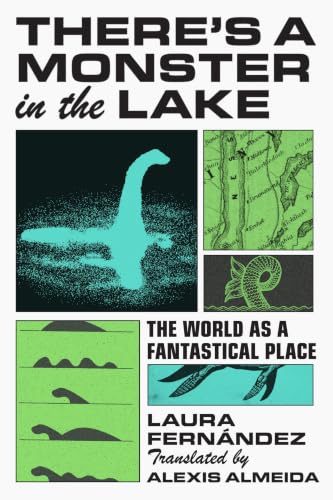
Journalist Fernández delivers an enthralling investigation into the legend of the Loch Ness Monster and the value of imagination. Read more.
Objects of Desire by Adam O’Fallon Price (Autumn House)
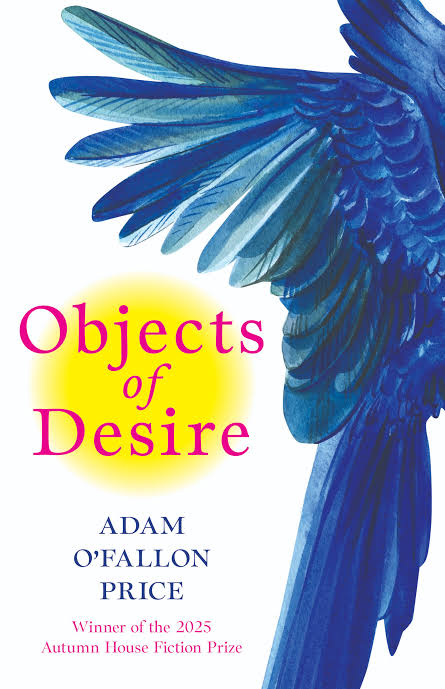
The columnist behind the Millions‘ own “William Trevor Reader,” in which he reflected on every one of the Irish author’s collected stories, makes his own debut as a short story writer with this collection, populated by characters with unfulfilled longings.
Partita by Barbara Kingsolver (Harper)
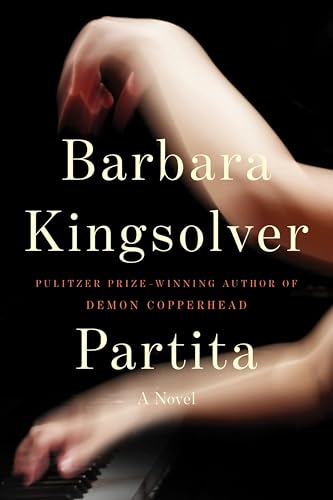
Pulitzer winner Kingsolver returns with an engrossing story of a middle-aged woman’s forsaken talent and chance for redemption. Read more.
Why Is the World So Beautiful? by Nicholas Humphrey (MIT)
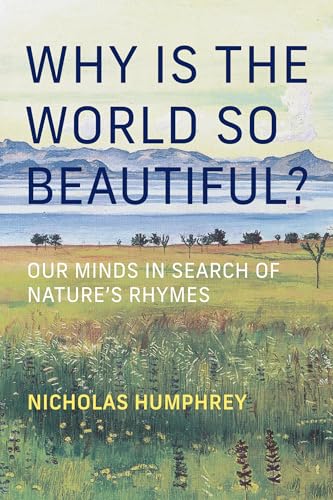
In this roving study, neuropsychologist Humphrey interrogates why the human mind perceives beauty. Read more.
Fair Ones by Lydia Millet (Norton)
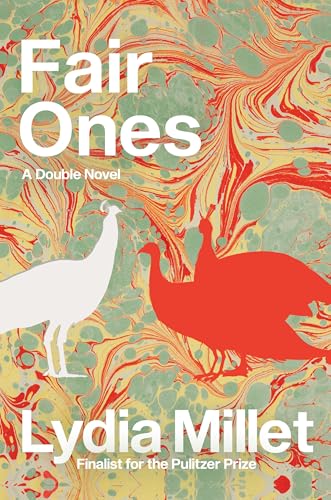
Millet explores grief in this down-to-earth story of two friends dealing with their friend’s untimely death. Read more.
Freedom’s Daughters by Celeste Headlee (Flatiron)
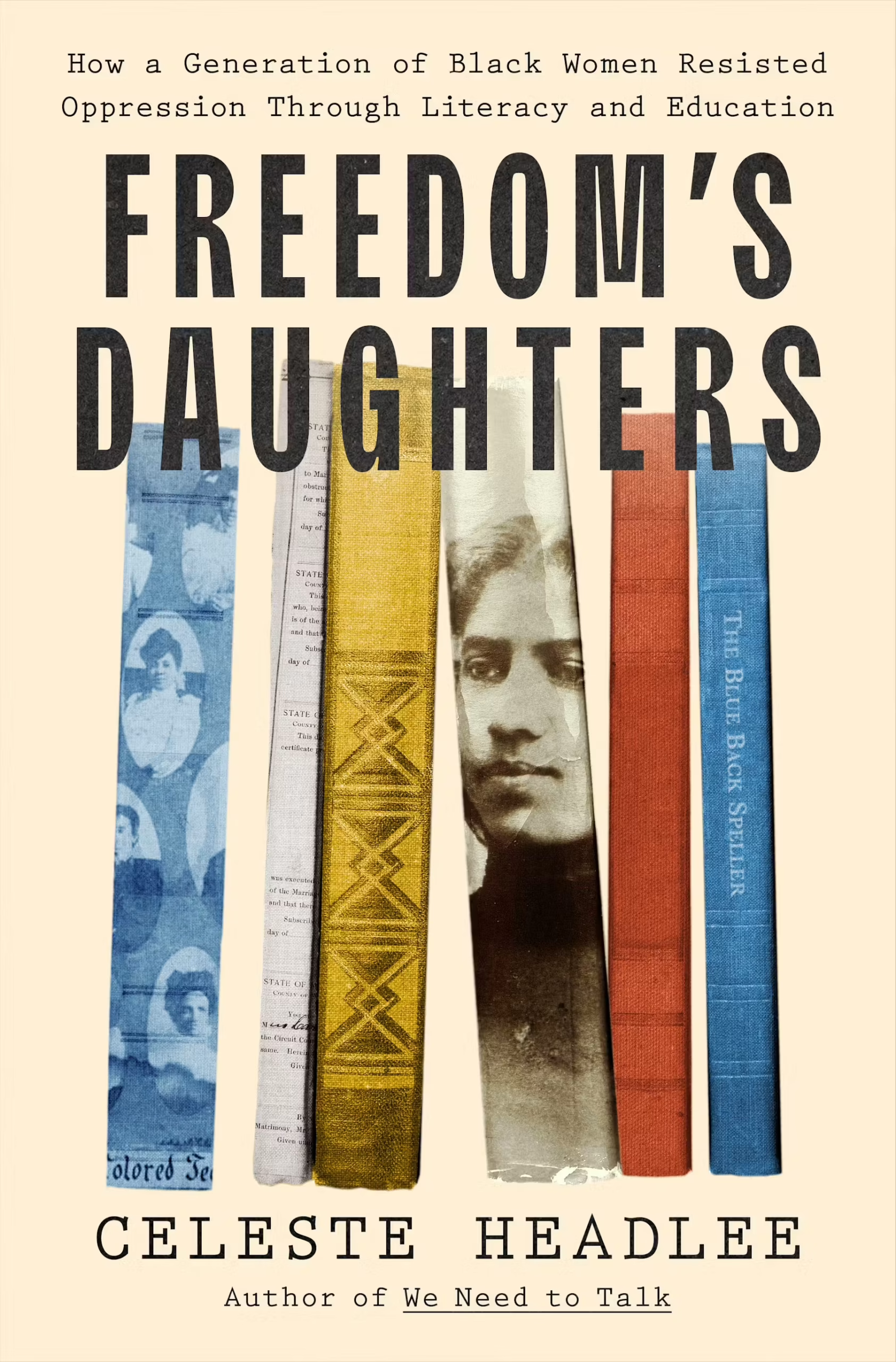
The We Need to Talk author’s latest profiles Black women, including Headlee’s own great-grandmother, who worked to promote Black literacy and education in the South after the Civil War.
Will and Attention by Meghan O’Gieblyn (Doubleday)
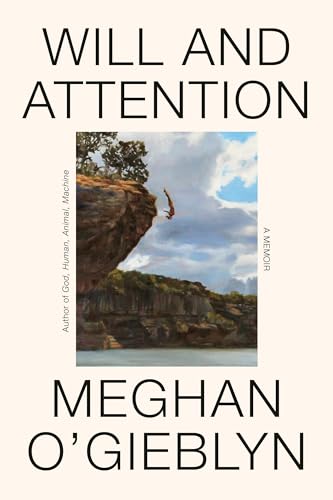
This sophisticated self-portrait from essayist O’Gieblyn examines her thorny relationships with alcohol and religion. Read more.
The Invisible Hand of Maria Edgeworth by Jeanna Smialek (Knopf)
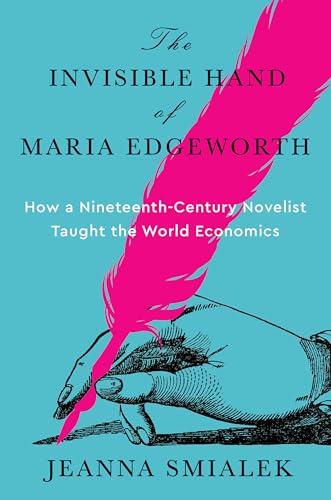
Journalist Smialek offers a vivid revisionist history of how classical economics went mainstream. Read more.
What Remains by Brais Lamela, tr. Jacob Rogers (Dorothy)

The Galician writer’s debut novel follows a young scholar’s journey into the forgotten history of the Franco regime.
Minor Bodies by Jonathan Bazzi, tr. Alice Whitmore (Scribe)
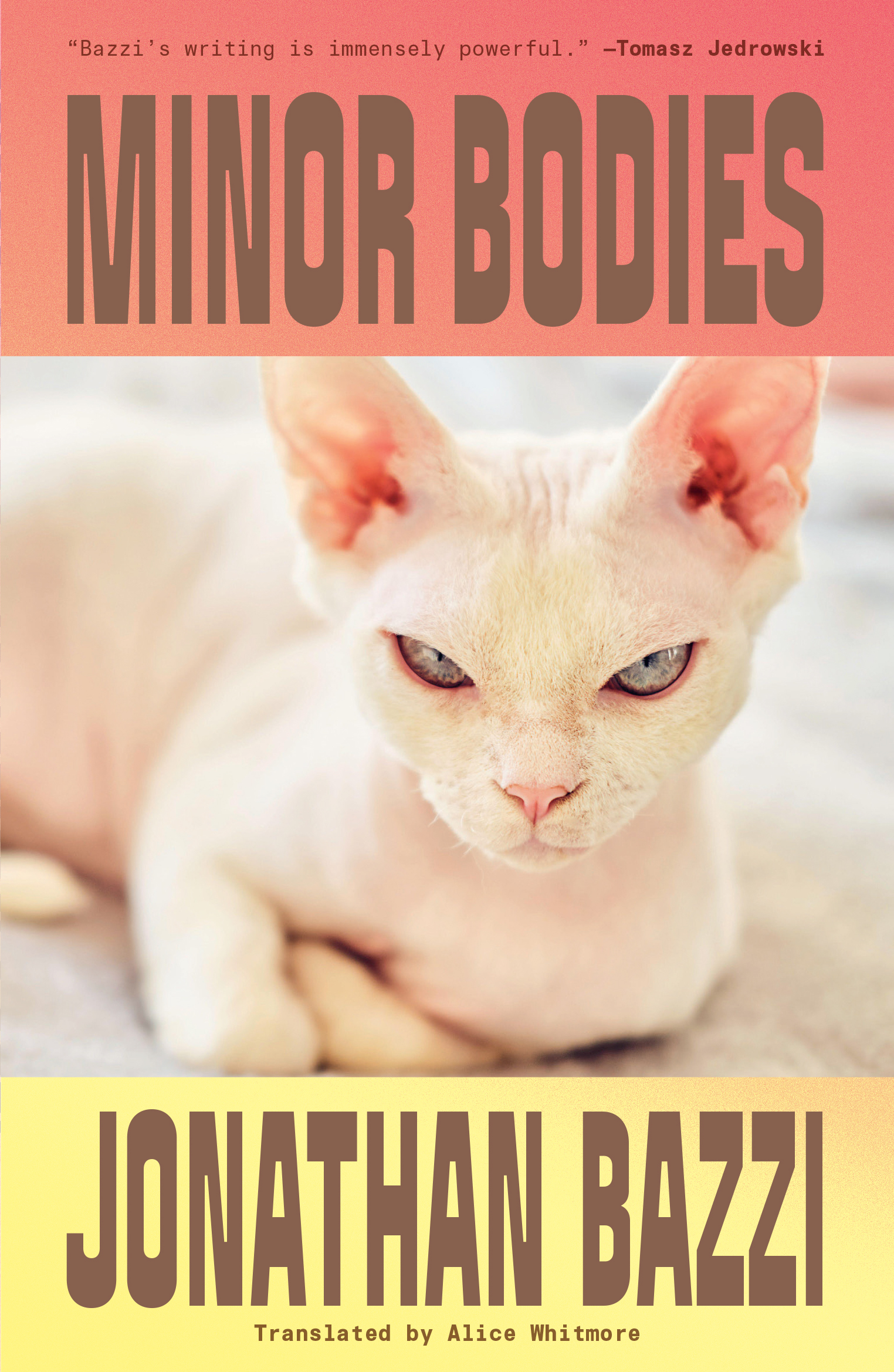
Bazzi’s vivid sophomore novel concerns a young man’s search for true love and his life’s purpose. Read more.
Before You Were Anne by Emiko Jean (S&S)
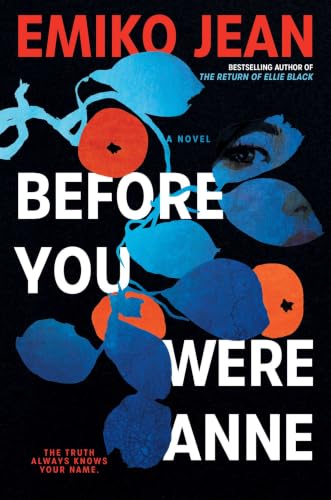
Jean’s taut second mystery for Seattle detective Chelsey Calhoun (after The Return of Ellie Black) hinges on the kidnapping of a nightclub hostess’s daughter. Read more.
Conspiracy by Nicolas Guilhot (Harvard)
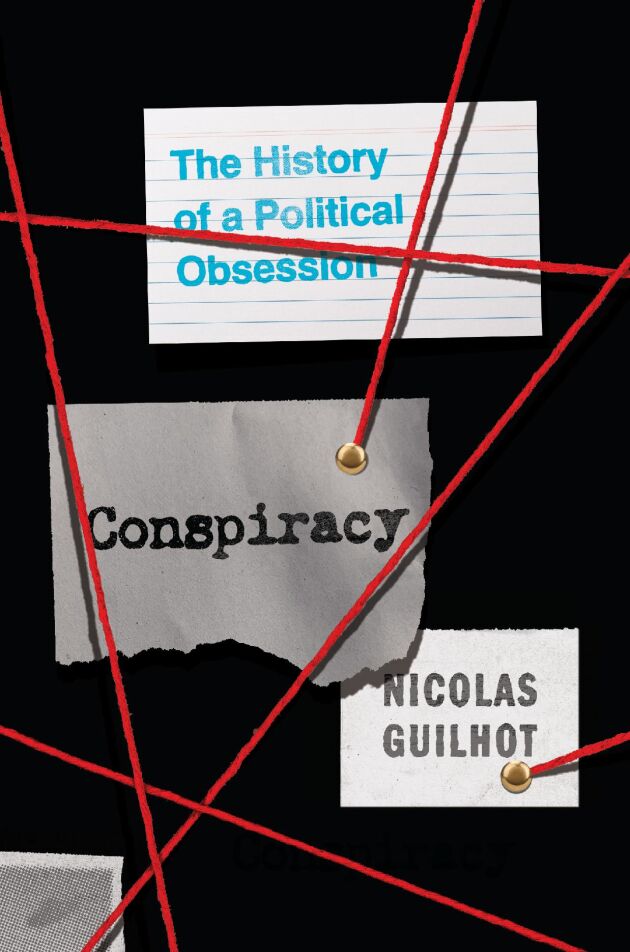
This intellectual history rethinks the modern obsession with conspiracy theories, which Guilhot sees “as a sign of the public’s desperation in light of liberal democracy’s failures.”
Stories, Like Illnesses by James Elkins (Unnamed)
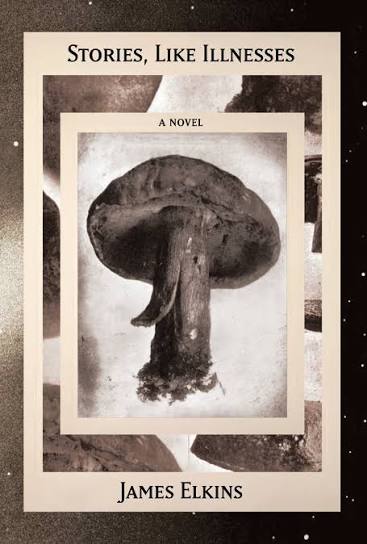
The third book in Elkins’s experimental multi-volume novel Five Strange Languages centers on a biologist’s inner turmoil.
Among the Pale Spires by David Smart (Rocky Mountain)
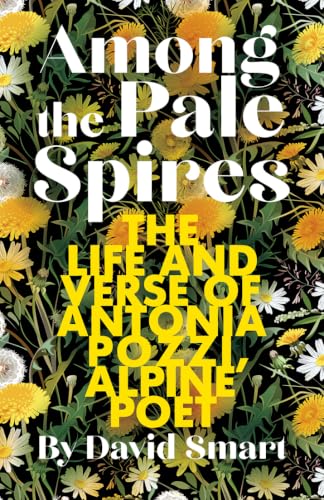
Smart, editorial director of Gripped Publishing, shines a spotlight on Antonia Pozzi, an Italian mountain climber and poet whose work went largely unpublished until after her death in 1938, in this underwhelming combination of biography and poetry collection. Read more.
We Radiant Things by Franny Choi (Ecco)
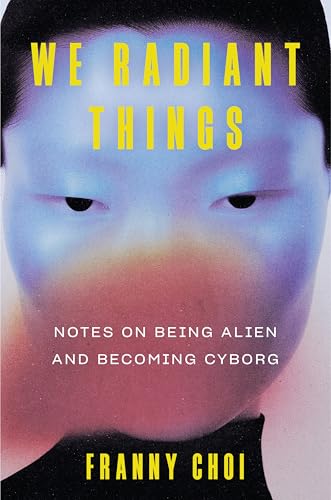
In this potent essay collection, poet Choi explores what the portrayal of East and Southeast Asian women in science fiction reveals about race, gender, and sexuality. Read more.
The First Reader by Luiz Schwarcz, tr. Alison Entrekin (Penguin Books)
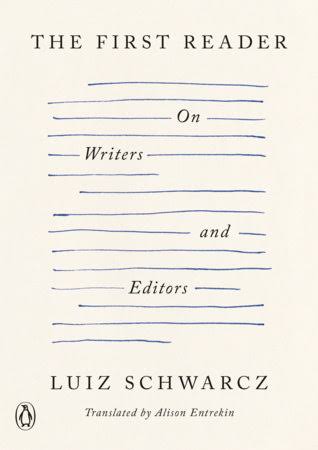
The founder of esteemed Brazilian publishing house Companhia das Letras reflects on four decades of editing in this candid meditation.
To God by Esther Yi (Astra House)
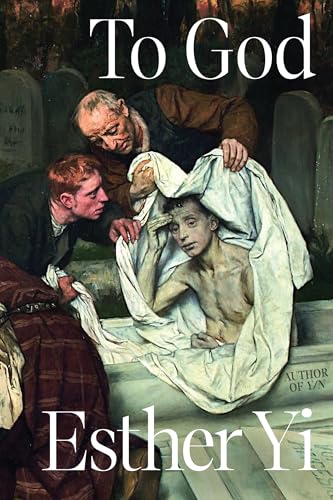
“The urge to write requires some delusional commitment to life, and I appear to have it still,” confesses an unnamed narrator in this audacious work of fiction from Yi. Read more.
Anita Brookner: Art and Life by Hermione Lee (Knopf)
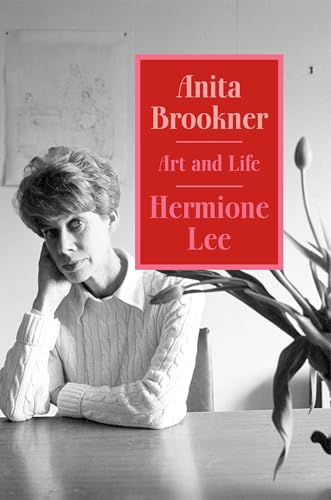
In this masterful biography, Lee unravels the life of art historian and Booker Prize–winning novelist Anita Brookner. Read more.
American Socialist by Shawn Guide (S&S)
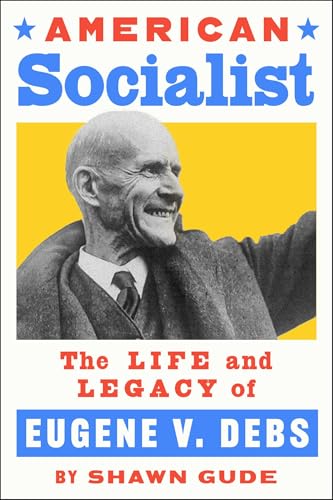
Former Jacobin editor Gude debuts with a magnificent biography of labor leader Eugene Debs (1855–1926). Read more.
The Bookshop by Andrew Pettegree (Basic)
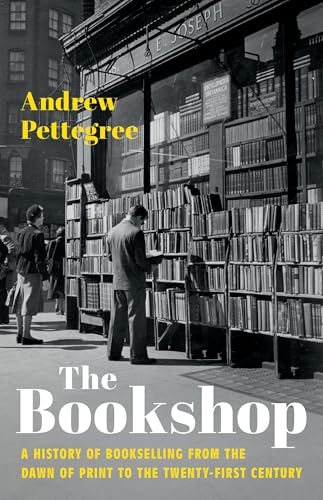
“The book trade must always evolve, something it has done for six centuries and will continue to do,” historian Pettegree asserts in his expansive survey of the bookselling industry. Read more.
Freedom’s Gate by Soyica Diggs Colbert (Norton)
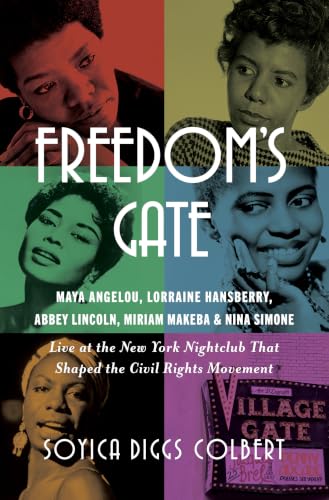
This outstanding history from Guggenheim fellow Colbert spotlights an influential group friendship between five Black female artists and civil rights activists that centered around one Greenwich Village nightclub. Read more.
The Confederacy Myth by Connor Williams (St. Martin’s)

The Civil War was brought about by an extremely small, wealthy group of “proactive, pro-slavery fanatics,” according to this exceptional study from historian Williams. Read more.
The Co-creation by Olivia Judson (Penguin Press)
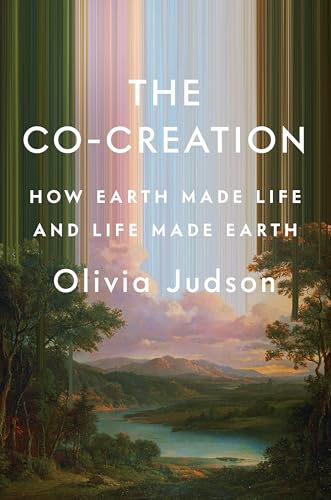
Evolutionary biologist Judson delivers an impressive study of the intermingled history of the evolution of organic life and Earth. Read more.
Serling by Alan Sepinwall (Grand Central)
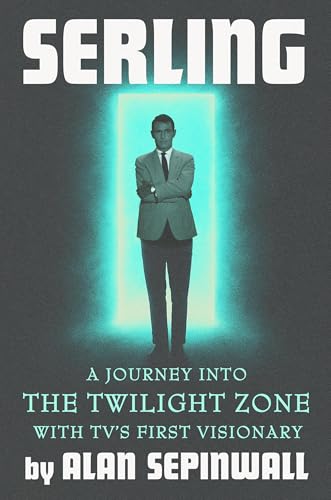
Critic Sepinwall, author of Welcome to the O.C., offers an electrifying biography of Twilight Zone creator Rod Serling (1924–1975). Read more.
Shelter Is Necessary for Existence by Brenda Iijima (Two Dollar Radio)
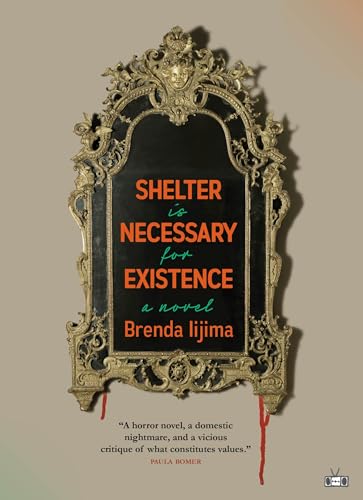
A Brooklyn family is haunted by their newly renovated brownstone in this devilishly entertaining novel from Iijima. Read more.
On Another Planet They Can Save Me by Lieke Marsman, tr. Sophie Collins (Catapult)
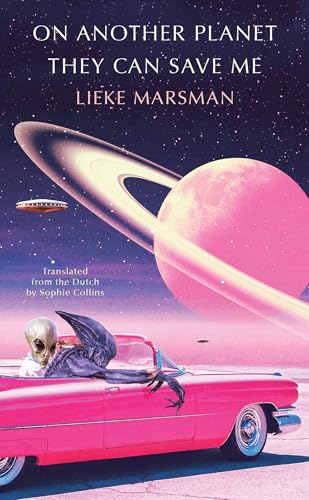
In this cathartic and often wondrous account, Dutch poet Marsman, who died earlier this year, catalogs the emotional and intellectual fallout of her terminal cancer diagnosis. Read more.
Long Wave by Daisy Johnson (Riverhead)
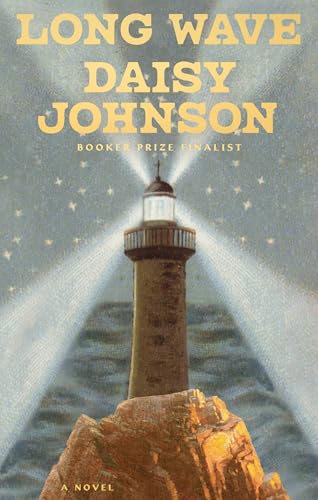
Three generations of a contemporary English family contend with shame, maternal ambivalence, and despair in the arresting and mysterious third novel from Johnson. Read more.
A Dead White by Wendy S. Walters (Scribner)

Longlisted for this year’s National Book Award, Walters’s latest takes aim at the ubiquity of white paint in society, from fine arts to architecture, and what it reveals about culture, politics, and desire.
The Man With Many Names by Georgi Gospodinov, tr. Angela Rodel (Norton)
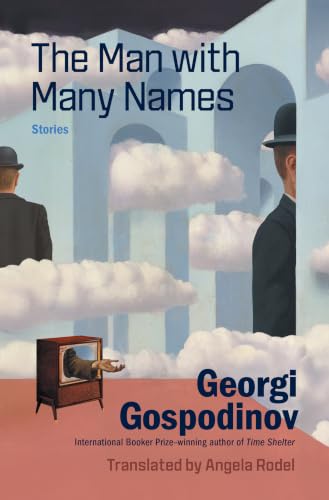
International Booker Prize winner Gospodinov serves up a stunning collection of 40 distinctive and charming stories, mostly set in his native Bulgaria. Read more.
The Four Wives and Five Deaths of Richard Milford by Nafissa Thompson-Spires (Scribner)
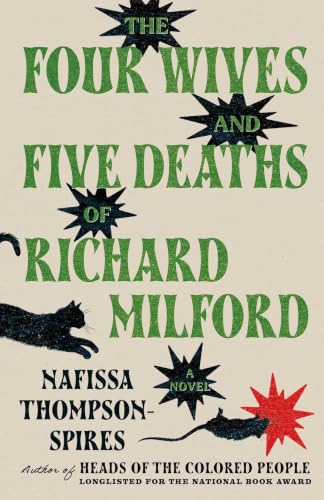
Thompson-Spires crafts a sizzling tale of a bootlegging bigamist and oil magnate’s mysterious death in 1927 Oklahoma. Read more.
Music Against the Night by Yiyun Li (FSG)
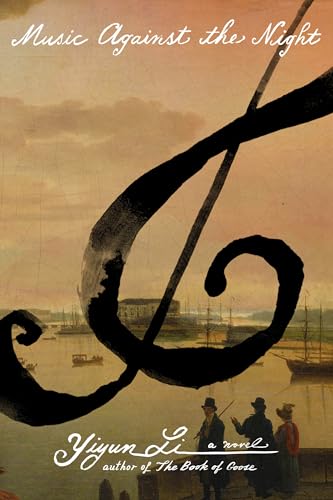
Li traces the origins of real-life musicians John and Adelaide Field in this fascinating tale of art and ambition. Read more.
Back by Lauren Michele Jackson (Amistad)
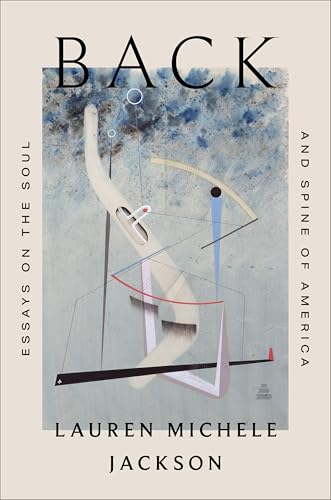
Jackson, an English professor at Northwestern, delivers a challenging and rewarding collection of essays interpreting the symbolism of the human back in literature, film, and art. Read more.
Lust by Erika Lust (Metropolitan)
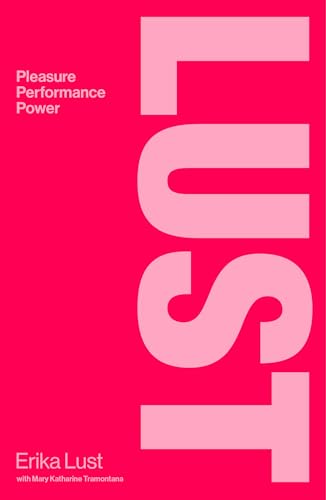
Despite its fraught role in the cultural wars, porn has “huge potential for dealing with more complicated storytelling and ideas around sexuality,” asserts adult filmmaker Lust in her perceptive mix of memoir and feminist rallying cry. Read more.
Sutra Americana by Monona Wali (Wisconsin)
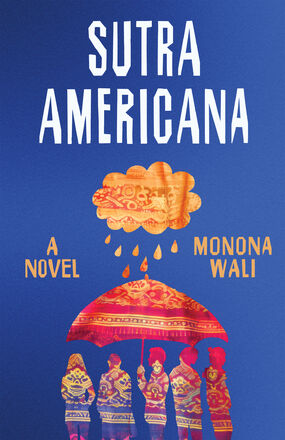
Wali’s latest follows a single Indian American immigrant family through five decades, starting in 1960, and features, in the words of blurber Yang Huang, “a philandering astrophysicist, a feminist philosopher, and their three spirited American daughters.”
Doppelgänger by Sam Riviere (Catapult)
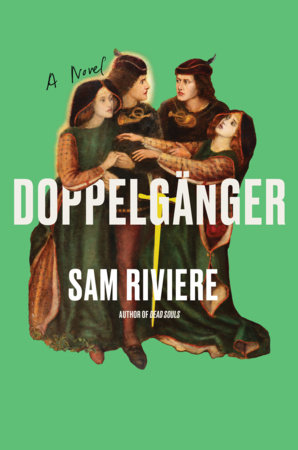
In this fresh take on the campus novel, Riviere conjures a fictional university town in the near future, where a contagious “twinning” trend sweeps through the student body.
Needlemouth by K-Ming Chang (S&S)
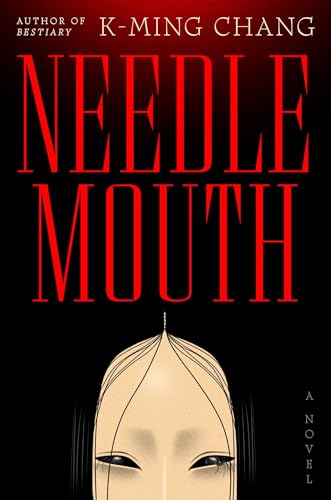
Chang delivers another audaciously grotesque coming-of-age tale, this time following three cousins as they unravel under the weight of inherited violence. Read more.
The Creativity Con by Thomas Frank (Penguin Press)
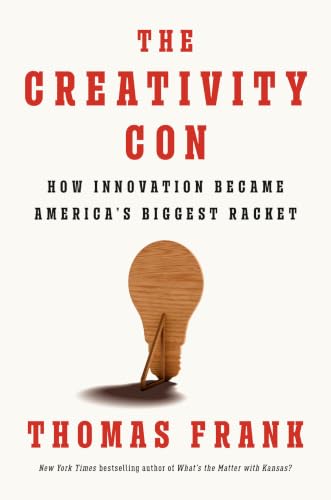
This biting analysis from bestseller and Baffler cofounder Frank exposes how America’s decades-long fixation on creativity and innovation helped construct an unequal postindustrial society. Read more.
Red Ants by Kimberly Blaeser (Counterpoint)
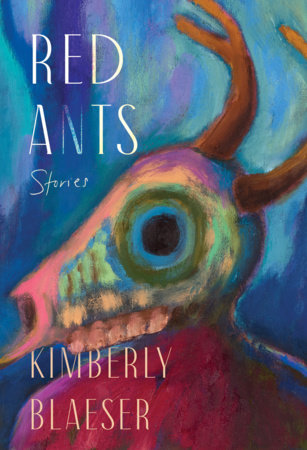
Longlisted for the National Book Award, the poet’s prose debut comprises short stories centering Anishinaabe characters who complicate our understanding of Indigenous America.
The Story of the Body by Meghan O’Rourke (Norton)
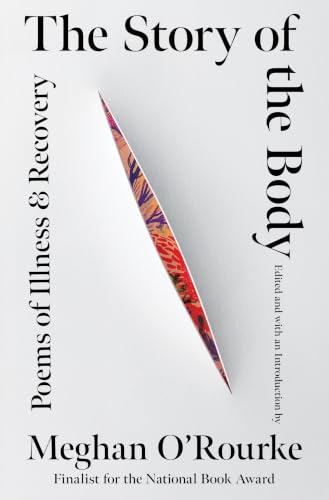
For this excellent anthology, O’Rourke gathers poems that explore illness, disability, vulnerability, and the body’s capacity for endurance. Read more.
Paradise Burns by Pol Guasch, tr. Mara Faye Lethem (FSG)
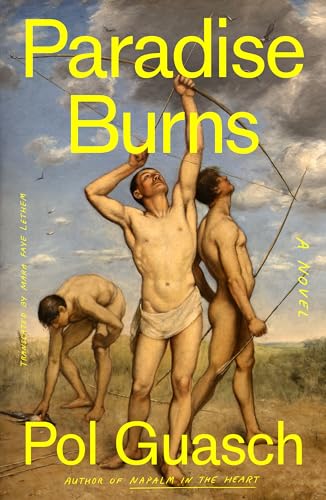
Guasch traces a friendship between two 20-something ravers in this exquisite dystopian novel set in an unnamed country where young men are conscripted to fight wildfires. Read more.
Stellar Smoke by Tanaïs (Dutton)
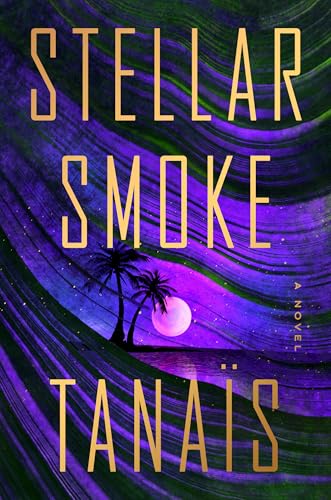
In this bold speculative novel from perfumer and memoirist Tanaïs, a harpist reluctantly retreats to her family’s tropical ashram. Read more.
Our Arab by Zaina Arafat (Little, Brown)

“One way to mitigate the pain of a shrinking homeland… is to find yourself in an expanded world,” writes Lambda Literary Award–winning novelist Arafat in this outstanding portrait-in-essays of the Palestinian diaspora. Read more.
Feels Like Trouble by Helen Betya Rubinstein (University of New Orleans)
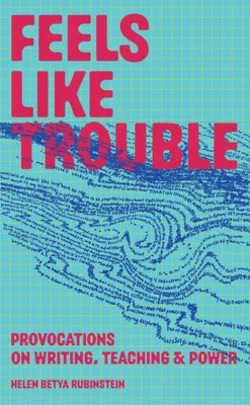
Rubinstein’s essay collection challenges the existing landscapes of creative writing and publishing, casting a critical eye on existing paradigms and imagining new possibilities.
May We Feed the King by Rebecca Perry (Transit)
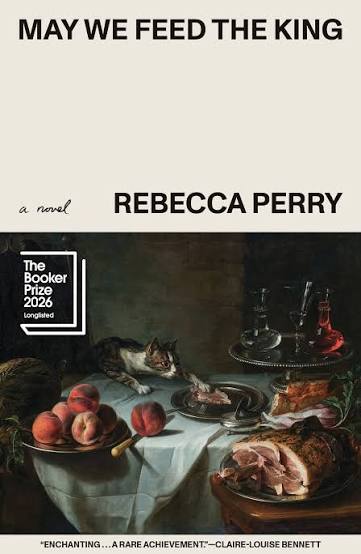
Perry, a poet and author of the essay collection On Trampolining, delivers a striking and singular first novel, shortlisted for the 2026 Booker Prize, about an unnamed curator gripped by visions of their medieval subject. Read more.
Secret Daughter by Veronica Gonzalez Peña (Semiotext(e))

A Mexican American woman comes to terms with her childhood trauma and the truth of her parentage in this perceptive novel from Gonzalez Peña. Read more.
I Can’t Stop Thinking About Horses and Sex by Lisa Hanawalt (Drawn & Quarterly)
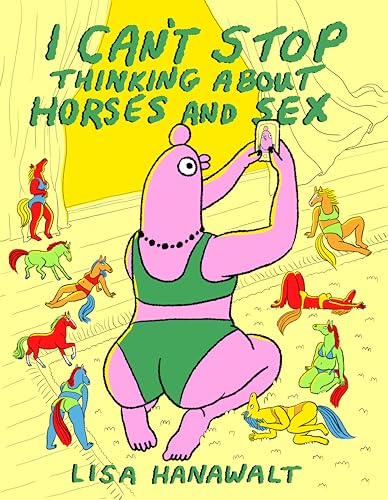
Ignatz winner Hanawalt riffs hilariously and poignantly on two of her favorite obsessions: horses and sexual relationships, though she assures readers that she keeps these preoccupations separate. Read more.
Public Access Afterworld by Jane Schoenbrun (Hogarth)
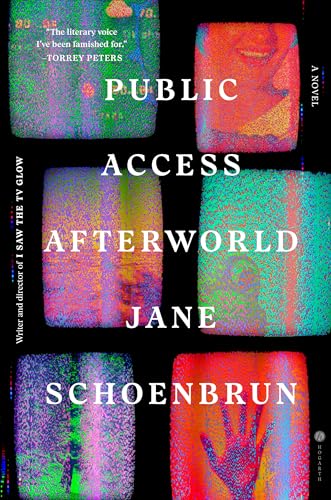
Paying homage to classic horror movies and late-night television, filmmaker Schoenbrun debuts with a dazzling story about a mysterious TV channel that might be broadcasting from another dimension. Read more.
My Friend Kim Jong Un by Keum Suk Gendry-Kim, tr. Janet Hong (Drawn & Quarterly)
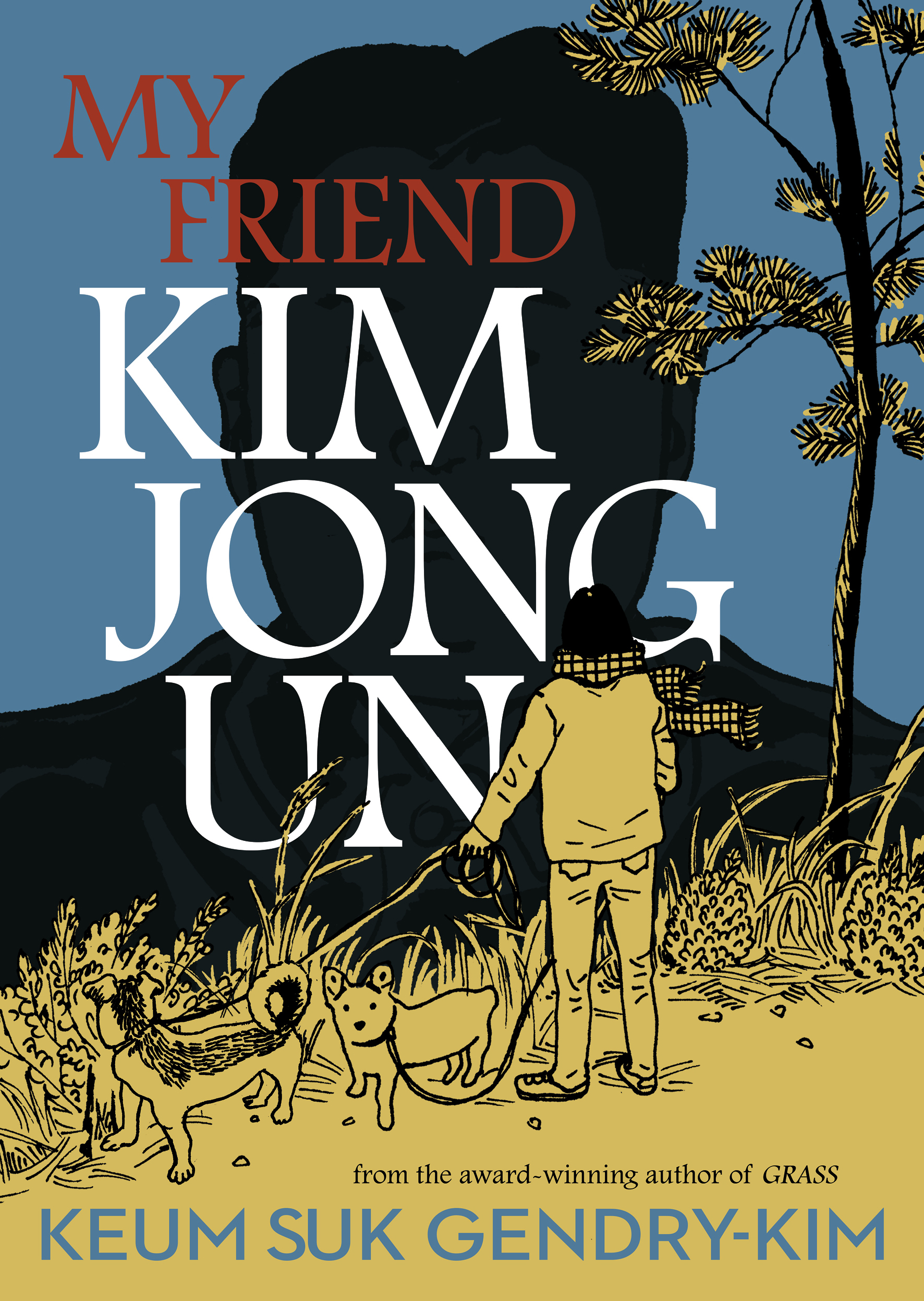
Gendry-Kim ventures to the North Korean border and beyond in this extraordinary and empathetic work of comics journalism. Read more.
To Stay, To Stay, To Stay by Devon Halliday (McSweeney’s)
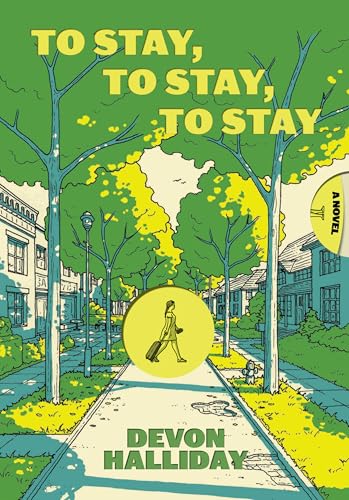
Halliday debuts with a perceptive novel featuring a loose circle of friends and acquaintances in the Midwestern college town of Eden, each on the cusp of making major life decisions. Read more.
Frost Will Come by Mary Cappello (University of Wisconsin)
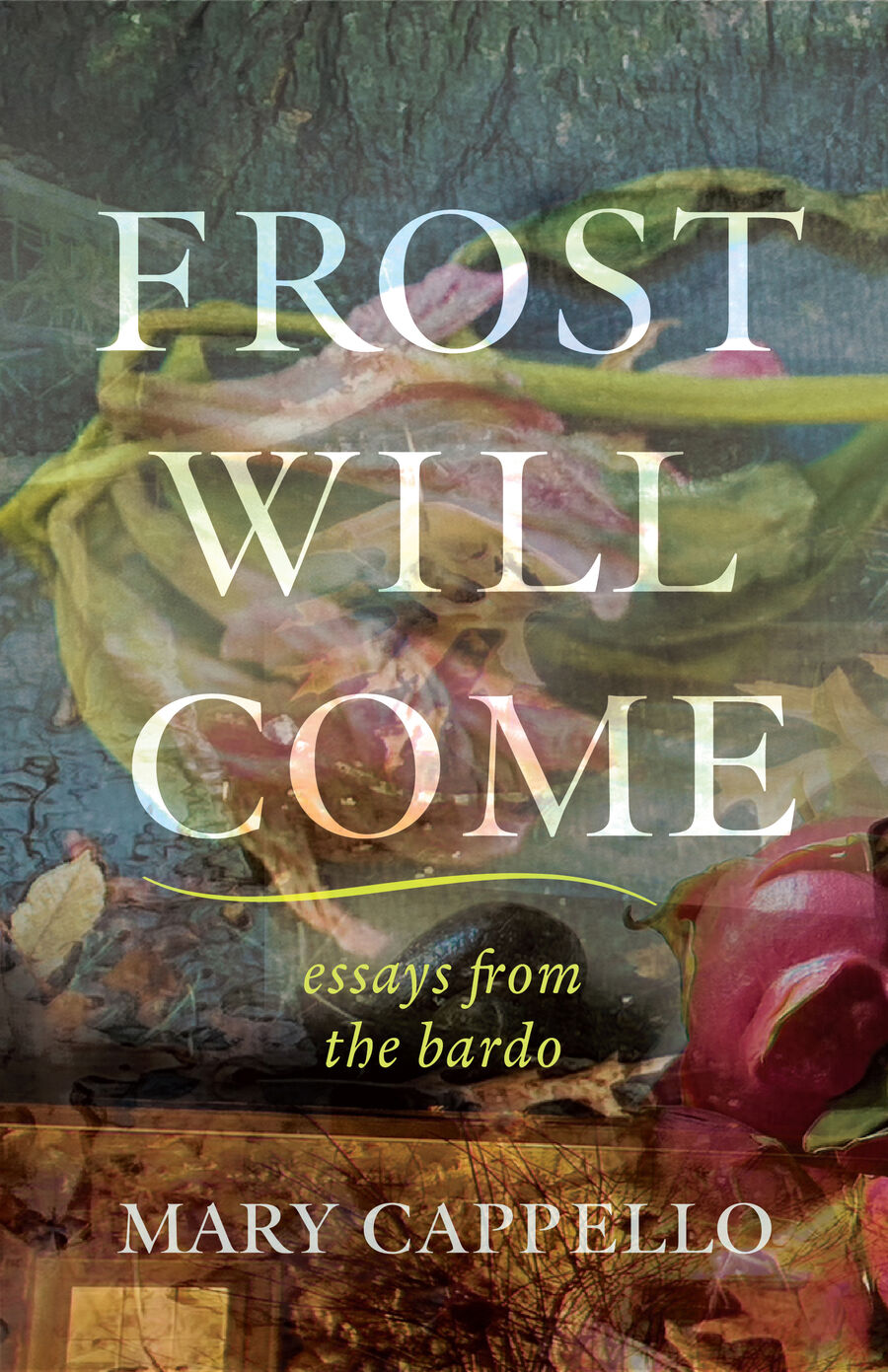
Cappello pays tribute to her poet mother, whom she cared for following a diagnosis with terminal ovarian cancer, through lyric essays interspersed with her mother’s own writing.
Venus, Vanishing by Rebecca Birrell (Holt)
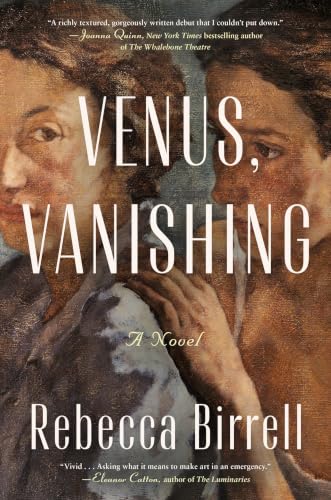
Birrell’s magnificent debut centers on a young German Jewish seamstress and aspiring artist whose life is changed and complicated by her wealthy patron. Read more.
The Widow van Gogh by Joan Martelli (Pegasus)
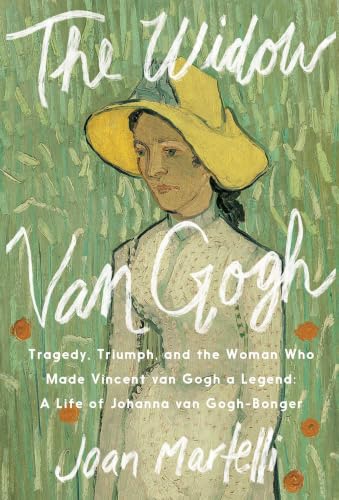
Journalist Martelli resurfaces in this detailed biography the crucial but little-remembered role Johanna van Gogh played in preserving her brother-in-law Vincent van Gogh’s legacy. Read more.
Walking by Sevgi Soysal, tr. Maureen Freely (Archipelago)
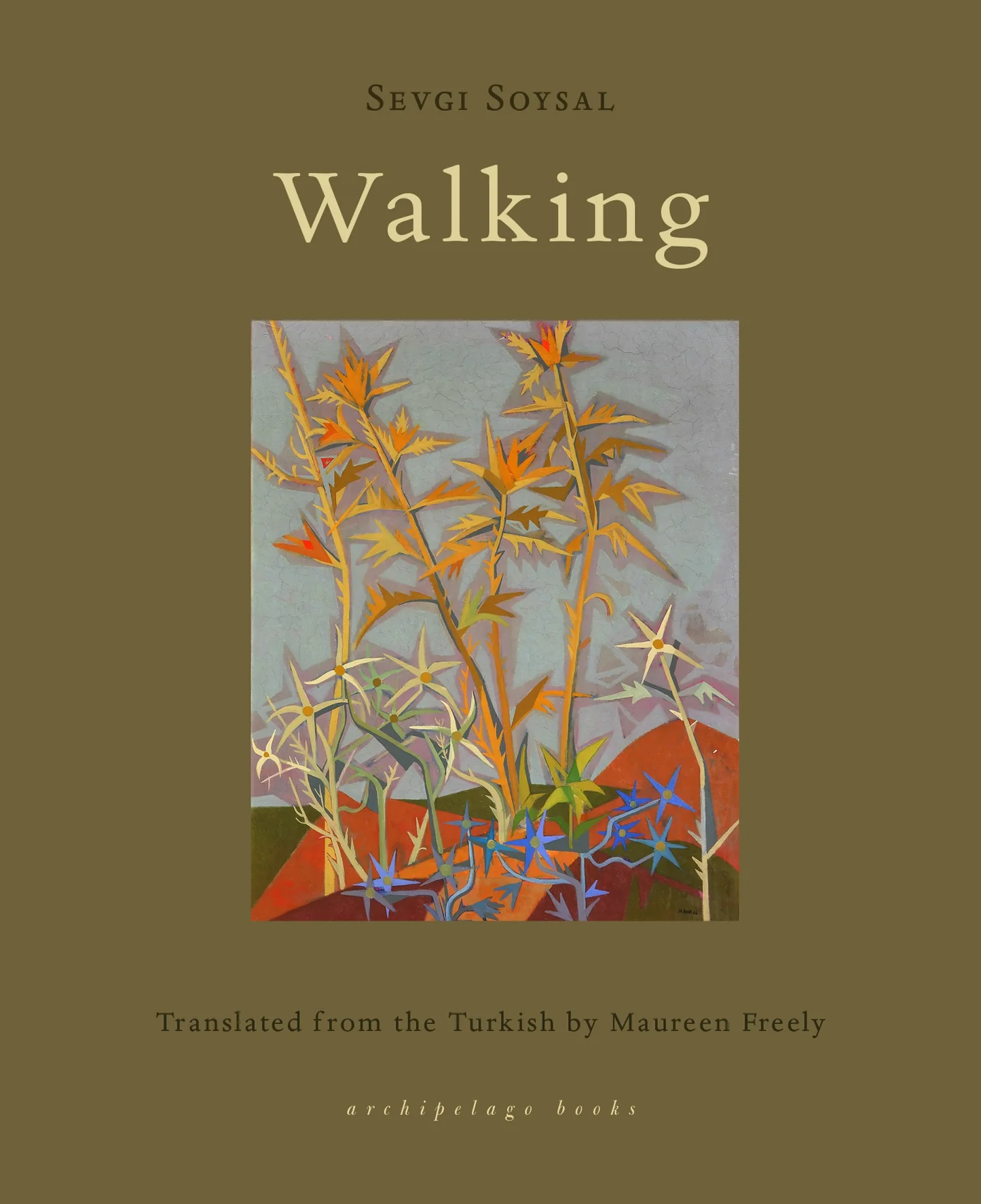
The second novel from Archipelago by the late Turkish writer follows the entwined lives of two young people coming of age in 1970s Yenişehir.
Understory by Pauletta Hansel (University of Kentucky)
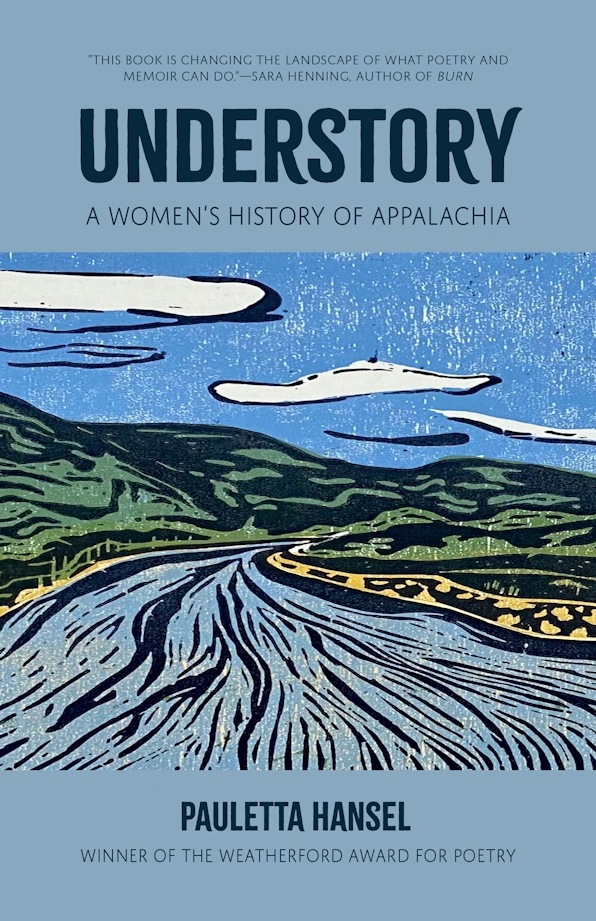
Hansel excavates her family history—and that of the American South—through her women forebears, whom she traces back to her 10th great-grandmother, a “tobacco bride” shipped from England to Jamestown.
*
November
Camera Obscura by Enrique Vila-Matas, tr. Valerie Miles (Yale)
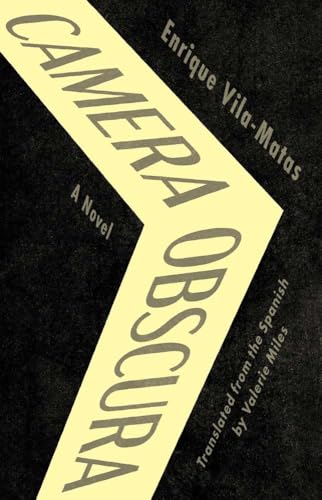
Vila-Matas charms with this speculative tale about an experiment in cultivating a literary sensibility. Read more.
Shut Up, I Love You, I’ll Call You Tomorrow by Sloane Murphy (LittlePuss)
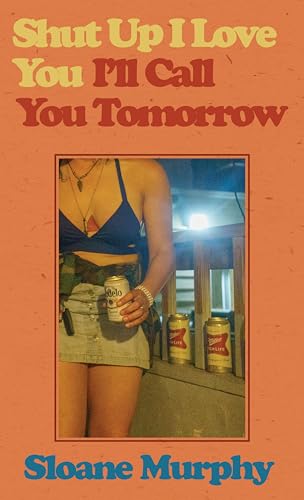
Murphy debuts with a bighearted linked story collection about a group of Chicago trans women who find love, trade gossip, and go heavy on drugs and alcohol. Read more.
The Misogynists by Allison Leigh (Abrams)
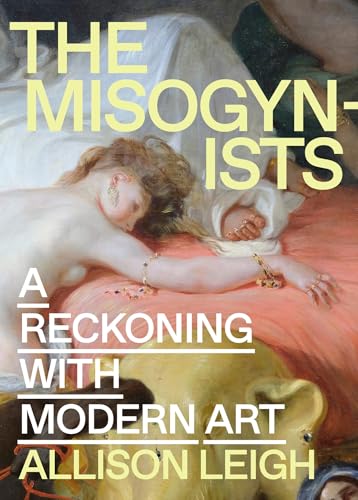
Art historian Leigh takes a trenchant look at how misogyny shaped the work of six lionized artists. Read more.
Annie Proulx Stories by Charrise Barron (Harvard)
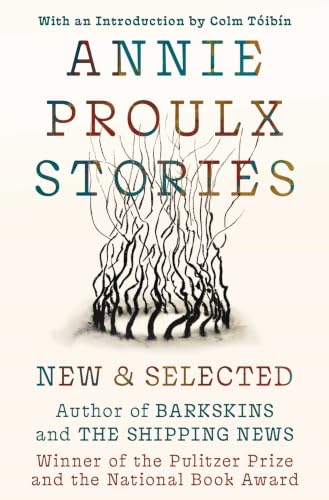
Proulx, winner of the National Book Award and the Pulitzer for The Shipping News, stocks the stories gathered in this towering volume with hardscrabble characters like the Dunmires, a Wyoming ranching family who possess a “rigidity of attitude that said theirs was the only way.” Read more.
Ocean of Bones by David Kushner (Gallery)
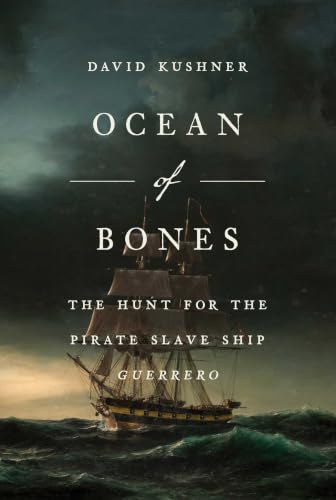
Journalist Kushner offers a fast-paced, gripping account of the lives of the African survivors of the Guerrero, an outlaw slave ship which sank off the Florida Keys in 1827, and a predominantly Black group of divers hunting for the wreck’s location today. Read more.
Beyond the Baths of Stars by Schneider K. Rancy (Amistad)
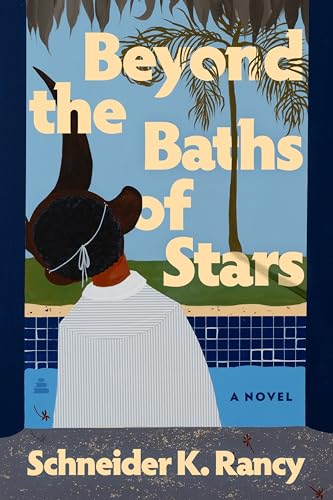
A disillusioned Haitian American embarks on a Homeric joyride through South Florida in Rancy’s glimmering debut. Read more.
The Pen by Simon Garfield (Crown)
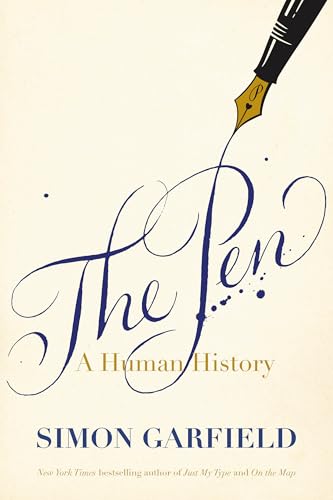
The humble writing instrument is making a nostalgic comeback, according to the entertaining latest from journalist Garfield. Read more.
Hollywood Whispers by Eileen Cope (Lyons)
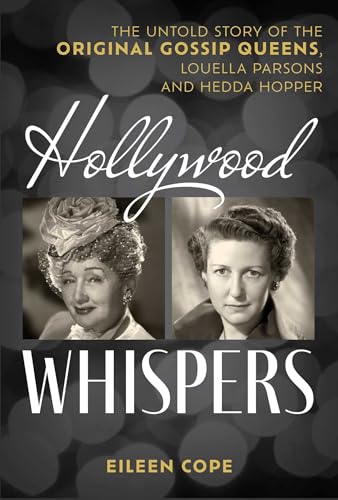
Literary agent Cope debuts with a marvelous history of how rival gossip columnists Louella Parsons (1881–1972) and Hedda Hopper (1885–1966) kept movie studios vigilant during the Golden Age of Hollywood. Read more.
Whale Harbor by Mary Beth Keane (Scribner)
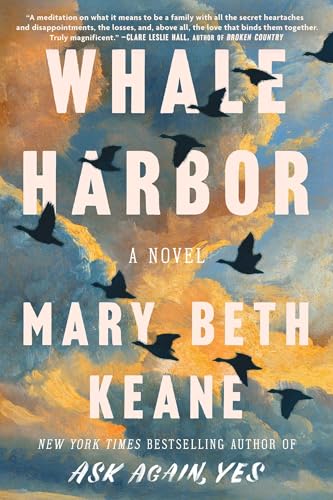
A taciturn Irish American longs for his long-lost brother in this quiet and deeply insightful family saga from Keane. Read more.
Just a Shot Away by Mark Binelli (Metroplitan)
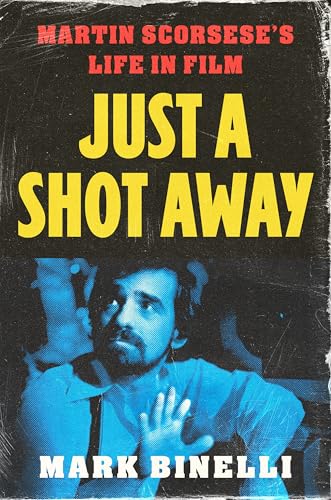
Journalist and novelist Binelli delivers an epic biography of Martin Scorsese, whom he calls “our greatest living filmmaker.” Read more.
A Whole Lotta History by Jason Lipshutz (Atria)
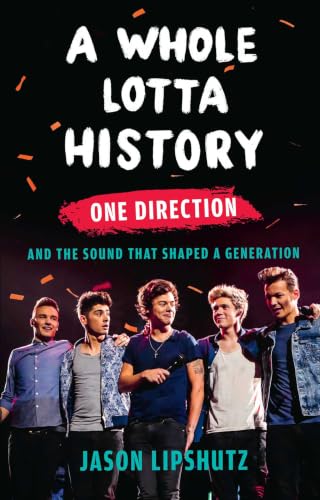
Music journalist Lipshutz weaves together a vivid, sparkling ode to boy band One Direction. Read more.
Stations by Louise Kennedy (Riverhead)
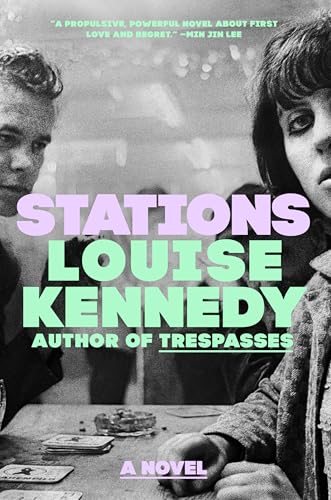
Kennedy gestures at a generation’s dispossession with this nuanced story of Irish expats in London. Read more.
Dams by Irene Solà, tr. Mara Faye Lethem (Graywolf)
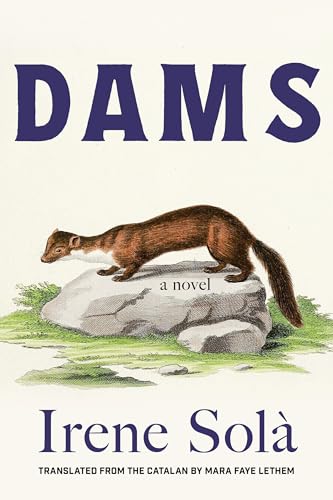
In this magnificent work of metafiction from Solà, a writer examines desire, the craft of storytelling, and her connection to country life. Read more.
Air Split Open by Addie Mahmassani (University of Iowa)
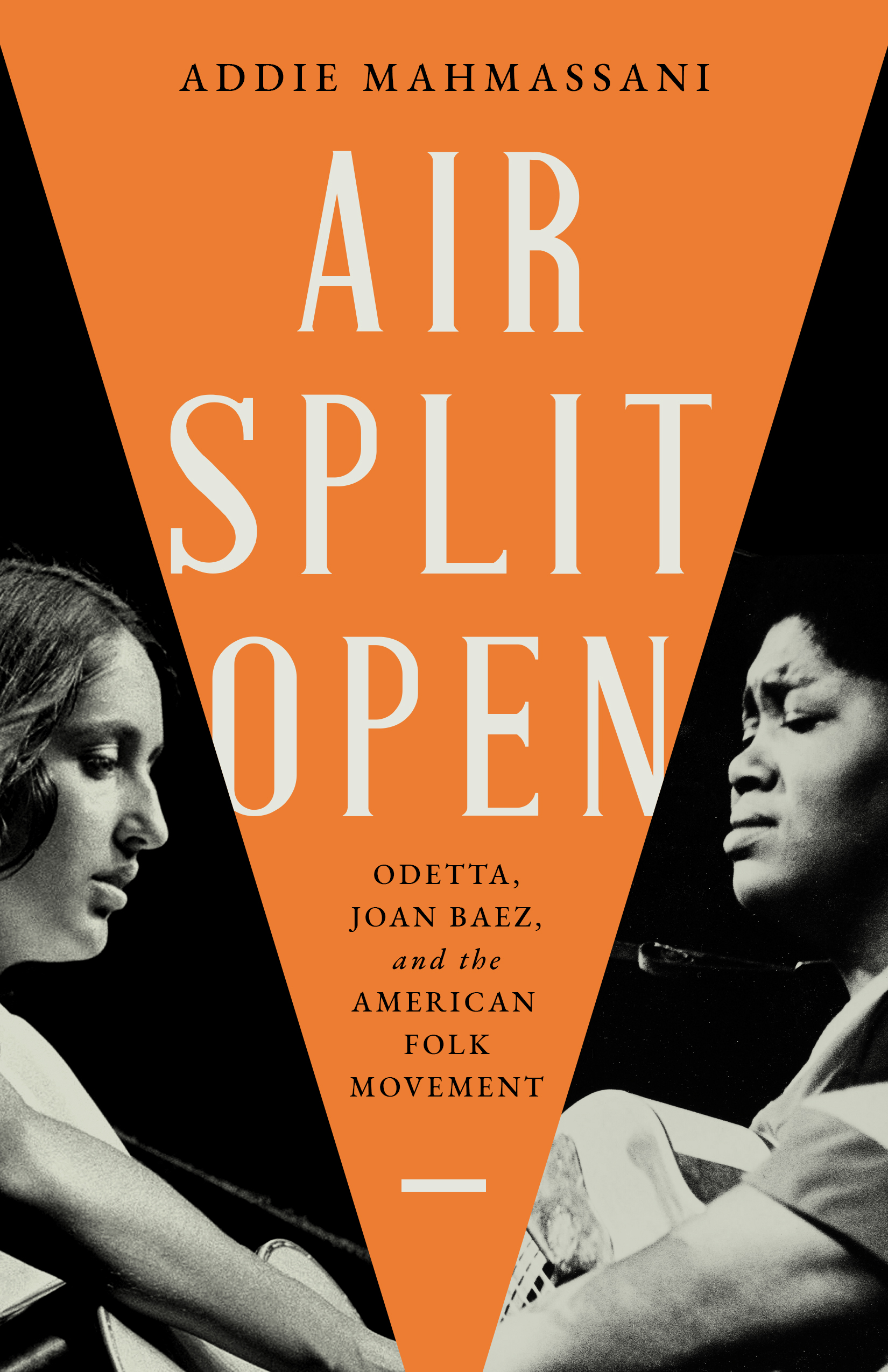
Mahmassani traces the interconnected careers of Odetta and Joan Baez to craft a feminist history of the 1960s folk revival, side-stepping the often male-centered narratives surrounding the scene.
As If We Were Staying by Spencer R. Scott (HarperOne)
Drawing on his experience cofounding a collectivist regenerative farm, Scott contemplates how people living within the false, cage-like reality of capitalism can reconnect to the true reality of the natural world.
Don’t Stop Snowing by Gabriel Bump (Algonquin)
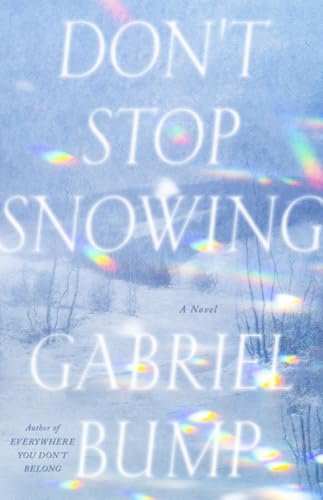
Bump spins an affecting story of a young man’s efforts to escape from the shadow of his brilliant but troubled father. Read more.
Roadshow by Nikki Ervice (Astra House)
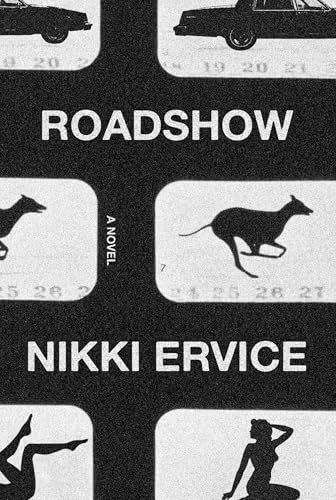
A dancer drives across the country to reunite with the mother she never knew in Ervice’s gritty and alluring debut. Read more.
The Statuary Gardens by Jacques Abeille, tr. Alex Andriesse (NYRB)
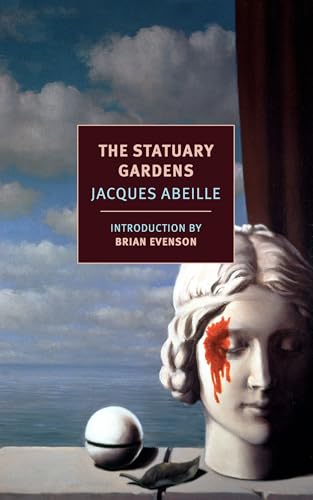
The first English translation of this wonderfully surreal and philosophical work by Abeille (1942–2022) transports readers to a country where statues are cultivated from the ground like plants. Read more.
Jealousy by Sarah Haas (Catapult)
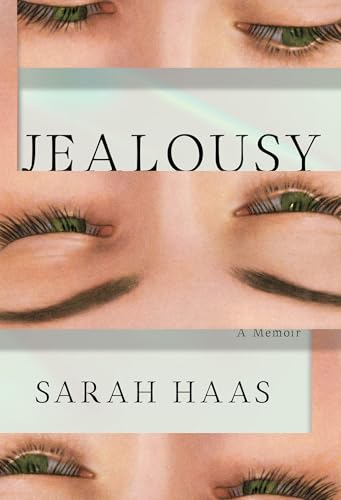
In this ambitious if slippery debut, Haas chronicles the corrosive intersection of desire and envy. Read more.
The Telephone by James Gleick (FSG)
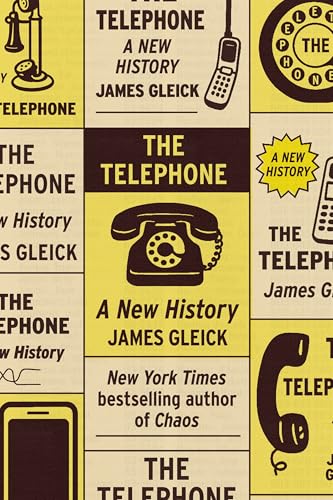
Bestselling historian of technology Gleick returns with an enthralling deep dive into the telephone and the many social revolutions it has enabled. Read more.
I Regret I Am Able to Attend by Jessica Craig-Martin (Random House)
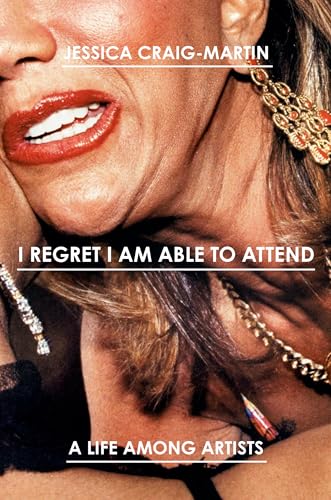
“You may stumble across a narrative arc of some kind, but I’ll be damned if you detect any redemption,” writes photographer Craig-Martin in this vivid essay collection about growing up around artists in New York City and London in the 1970s and ’80s. Read more.
The Sensualist by Gary Shteyngart (Random House)
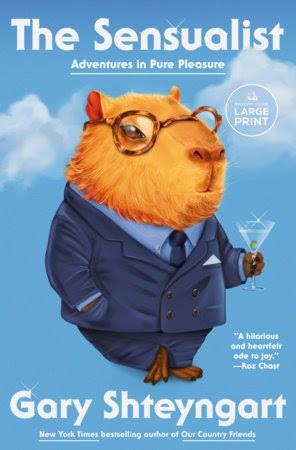
Shteyngart’s first collection of personal essays explores the pursuit of pleasure in all its forms, from luxury cruise ships to finely tailored suits to the perfect martini.
Notes on Postcards by Jennifer Croft (Catapult)
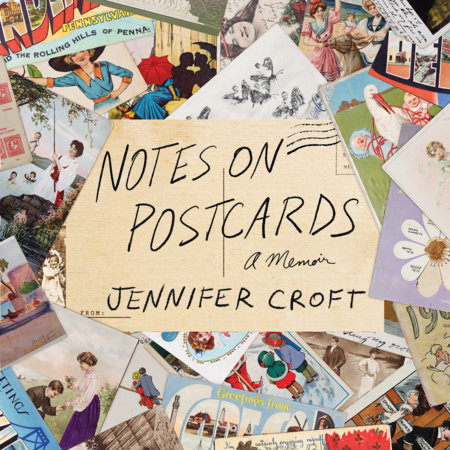
The International Booker–winning translator’s memoir retraces her travels, relationships, and experience of motherhood through her lifelong collection of postcards.
We Belong to the Trees by Keletso Mopai (Seven Stories)
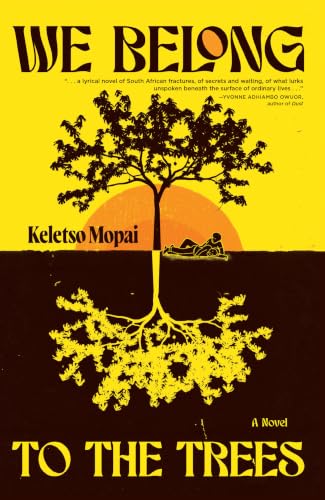
Mopai follows her story collection, If You Keep Digging, with an explosive, Rashomon-like novel of post-apartheid South Africa and the mysterious killing of a Black security guard who was working for a white farmer. Read more.
Murmurs from the Hills by Scholastique Mukasonga, tr. Mark Polizzotti (Archipelago)
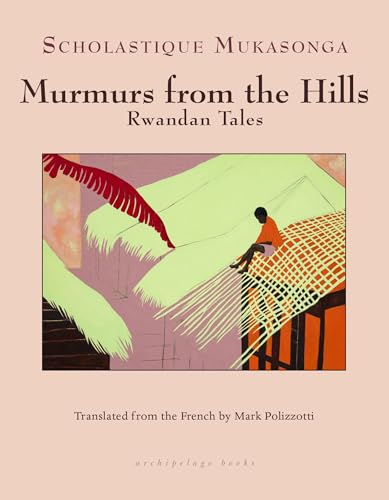
Mukasonga blends autofiction and folklore in this magnificent collection of stories about colonial and post-colonial Rwanda. Read more.
Vocal Break by Lauren Elkin (FSG)
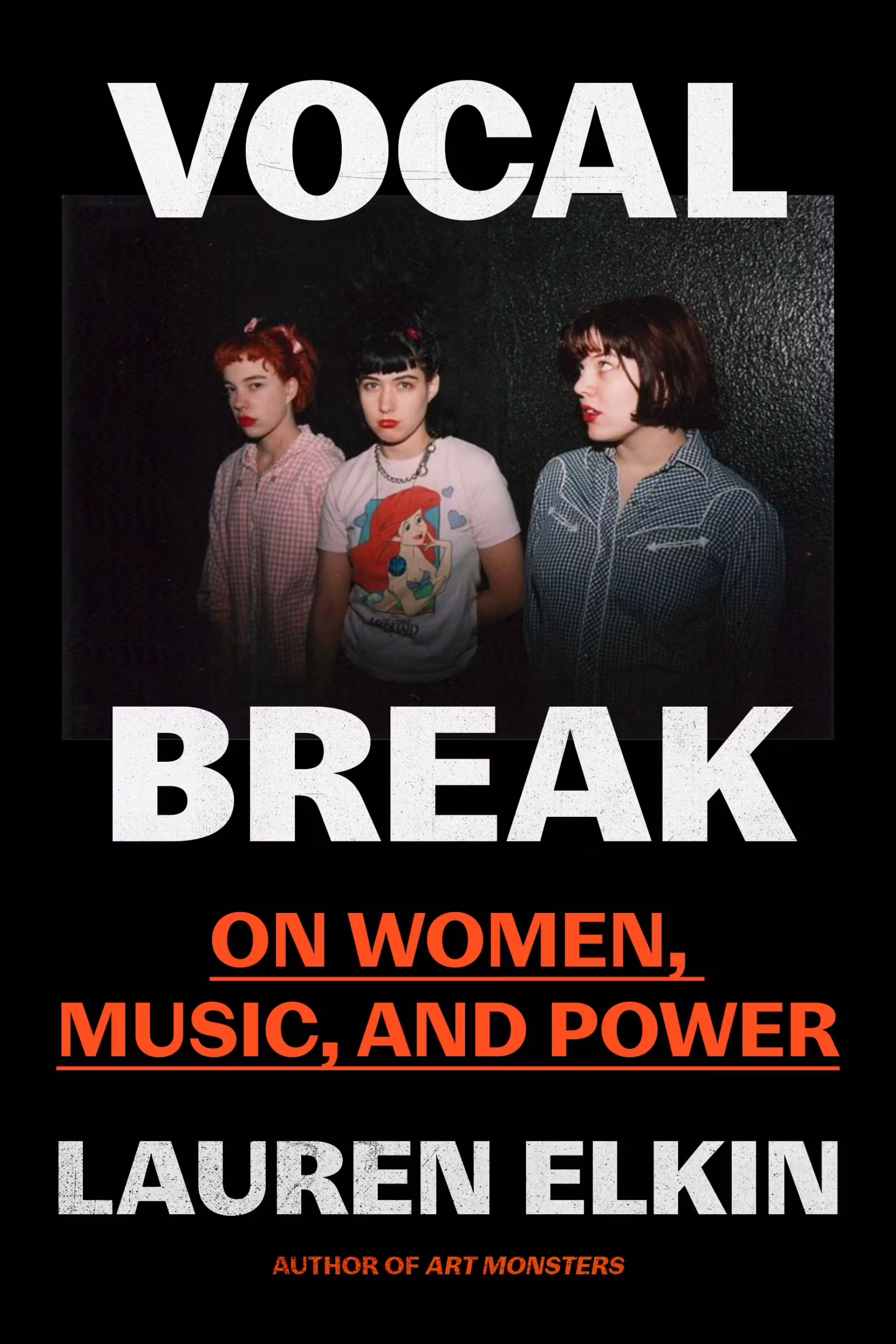
Elkin, it turns out, is not just a brilliant writer and translator, but a singer to boot; her erudite cultural analysis of women’s voices doubles as a feminist testimony to the power of song.
My Boyfriend, the Superhero by Kylie Cheung (AK)
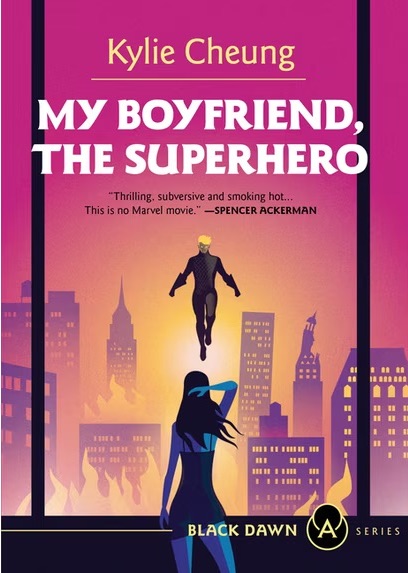
The journalist and Jezebel staff writer makes her fiction debut with a “feminist psychothriller” that turns the superhero genre on its head.
In Latin America You Could Be Free by Yesenia Barragan (Basic)
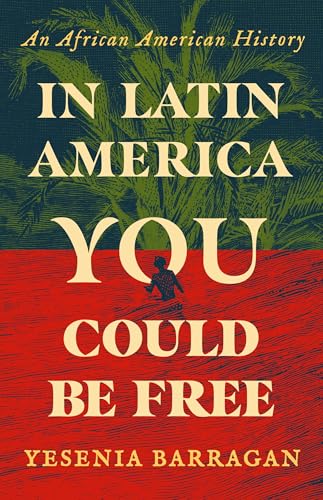
Historian Barragan explores in this piercing study the “place and promise” of Latin America in the U.S. antebellum political imagination. Read more.
The Key Biscayne Affair by Xita Rubert, tr. Julia Sanches (Ecco)
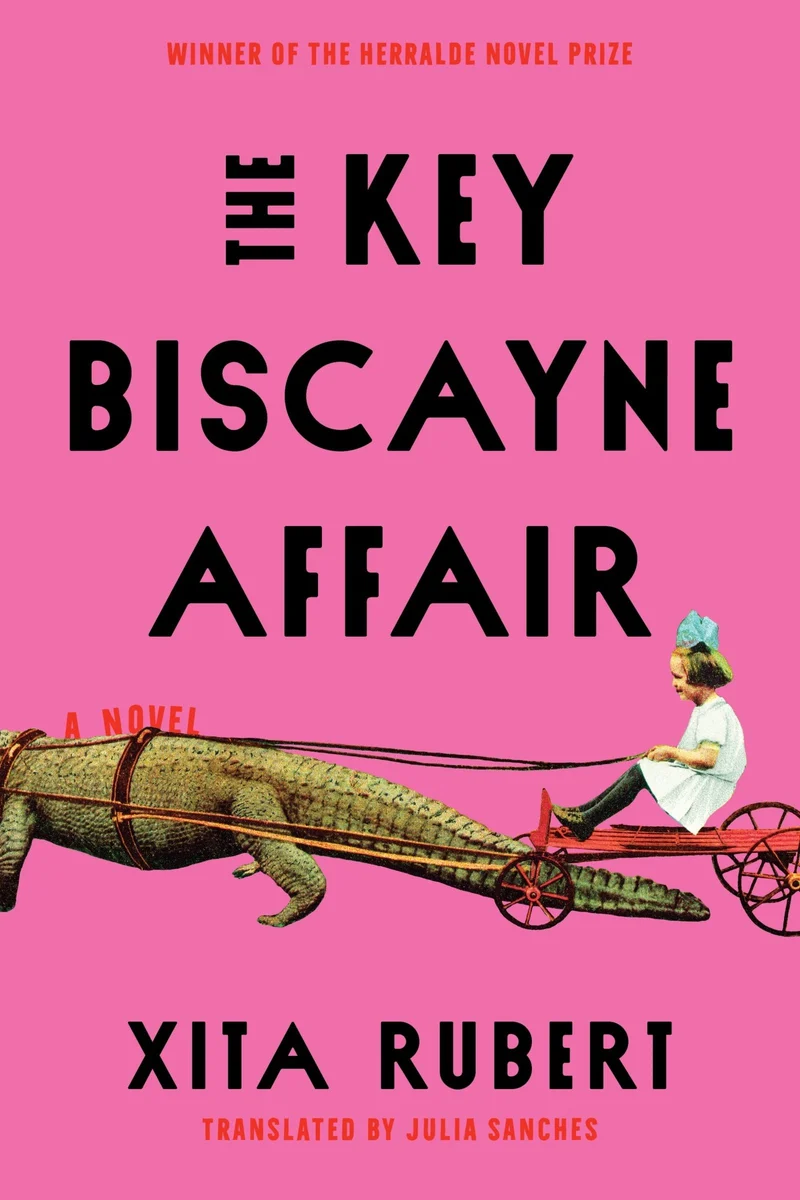
The unnamed narrator of this magnetic coming-of-age novel by Spanish writer Rubert ries to piece together her mysterious and unsettling stint living with her father and older brother in Florida at age 12. Read more.
The Last Leaf by Willie Nelson (Penguin Press)
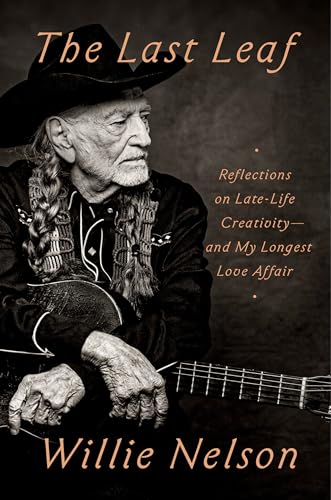
Grammy winner Nelson delivers an affable memoir about his past decade of writing and recording that doubles as a love letter to his wife, Annie. Read more.
The Man Who Read Books by Rachid Benzine, tr. Sam Taylor (Cardinal)
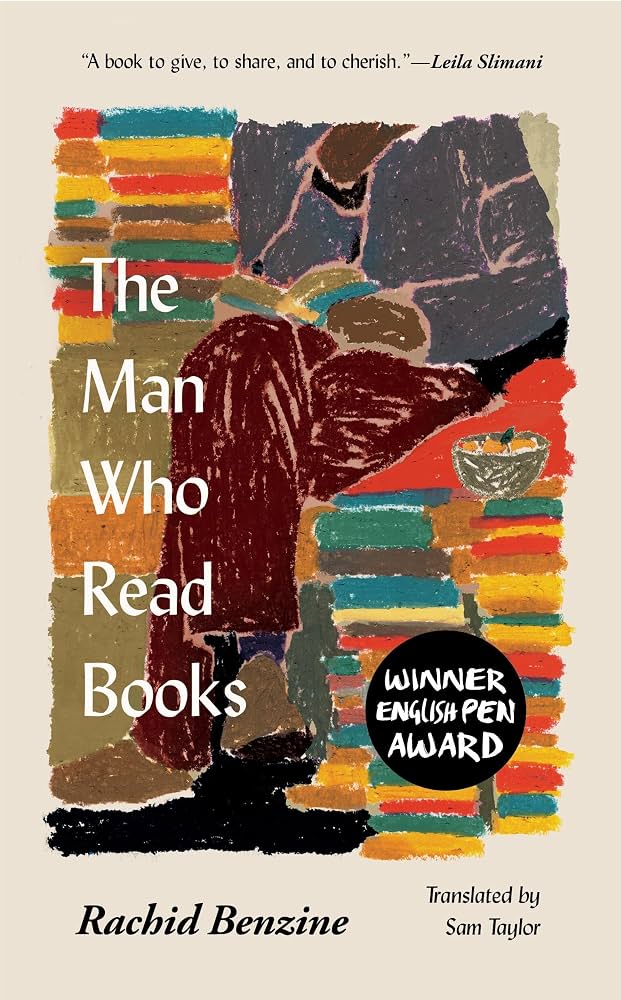
In Benzine’s taut and heartbreaking novel, a French war photographer travels to present-day Gaza to report on the region during a ceasefire with Israel. Read more.
Remember the Bees by Zineb Mekouar, tr. Maren Baudet-Lackner (Milkweed)
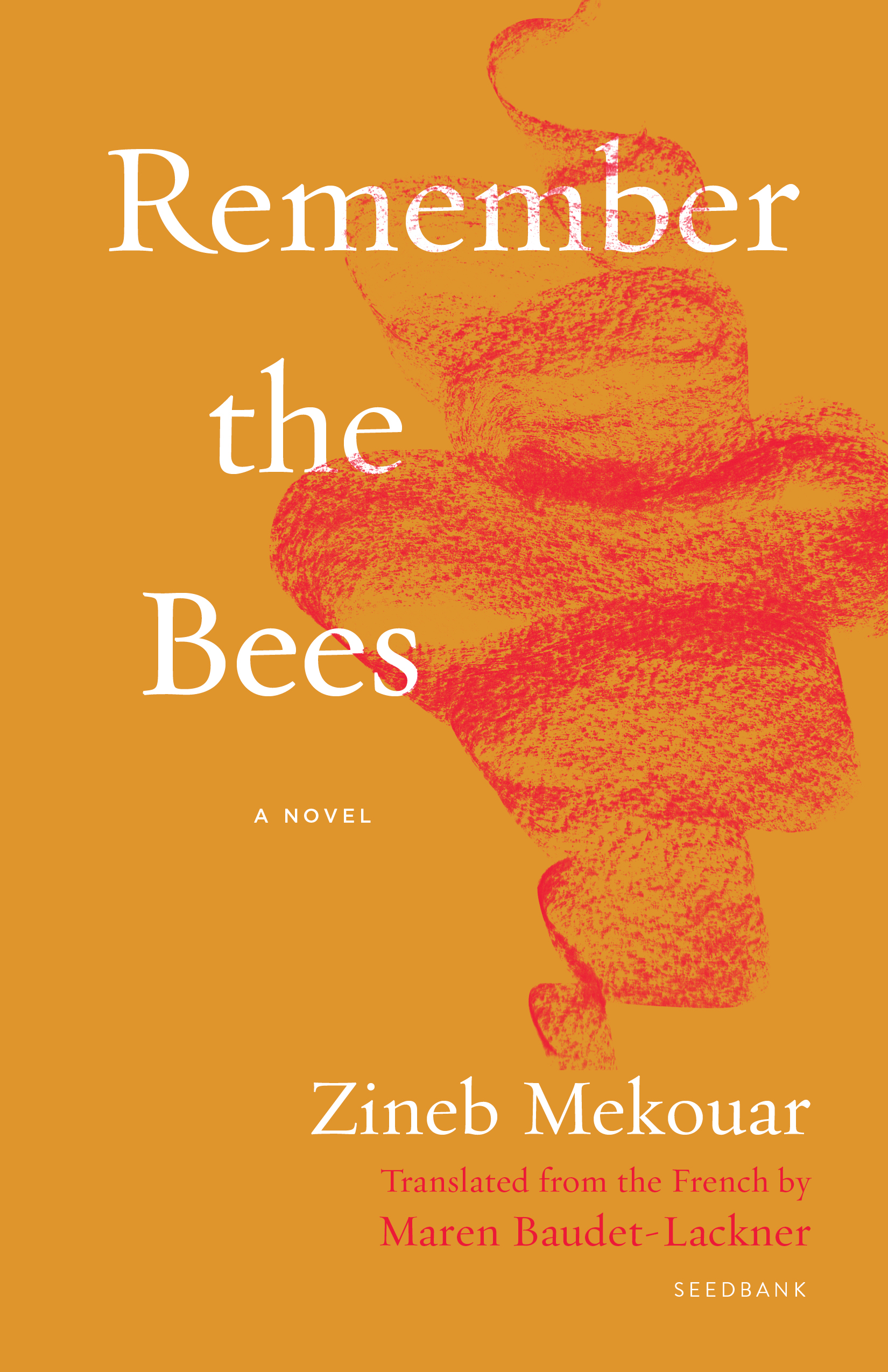
Zineb’s English-language debut is set in an ancient Moroccan apiary, where a young boy’s inheritance of bees is threatened by climate change.
The Intangibles by Nick Paumgarten (Penguin Press)
New Yorker staff writer Paumgarten debuts with an inventive memoir that examines the role of hockey in his life. Read more.
Any Time But This Time by Adam Peterson (Mad Creek)
Peterson’s debut story collection, which won the Grace Paley Prize for Short Fiction, counts among its cast of characters the first woman on Earth, Jesus, lost sailors, a pioneer’s wife, and the last man alive.
Objects of Desire by Celia Paul (NYRB)
The painter’s latest memoir grew from the account she kept of her work—and the many preoccupations that sprang up around it—while alone in Venice for an artist’s residency.
I Won’t See You Die by Antonia Muñoz Molina, tr. Curtis Bauer (Other)
A Spanish American man feels torn between duty and passion in this stunning novel from Muñoz Molina. Read more.
Between the River and the Railroad Tracks by Nicole R. Fleetwood (Little, Brown)
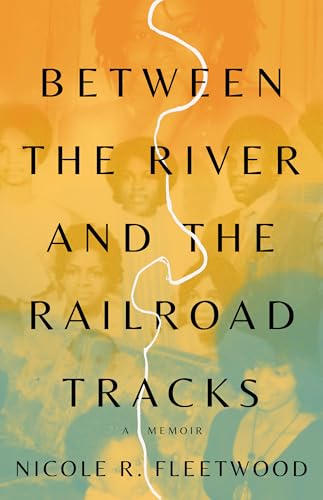
MacArthur fellow Fleetwood delivers a brilliant account of growing up in a majority-Black Ohio neighborhood in the 1970s. Read more.
Tiger’s Mouth by Lucy Tan (Ballantine)
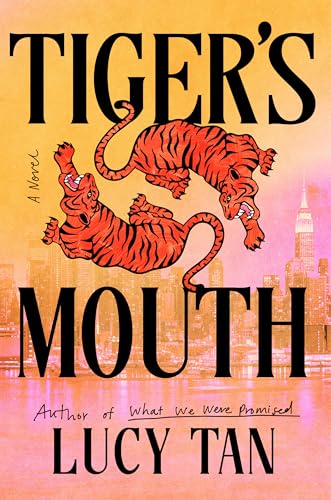
Two tech interns from different backgrounds become friends and rivals in the sharp-edged sophomore novel from Tan. Read more.
Universe of Grace by Rachel Calnek-Sugin (Holt)
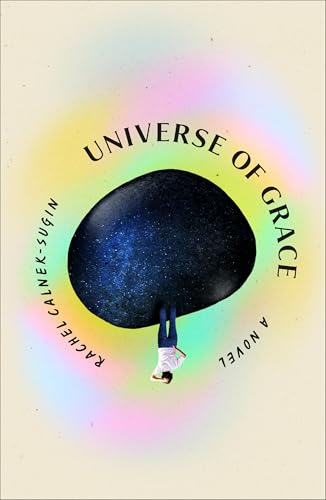
A mixed-race Philadelphia girl comes to believe she’s an animal, or maybe an alien, in Calnek-Sugin’s vivid if muddled debut. Read more.
Amazons by “Cleo Birdwell” (Scribner)
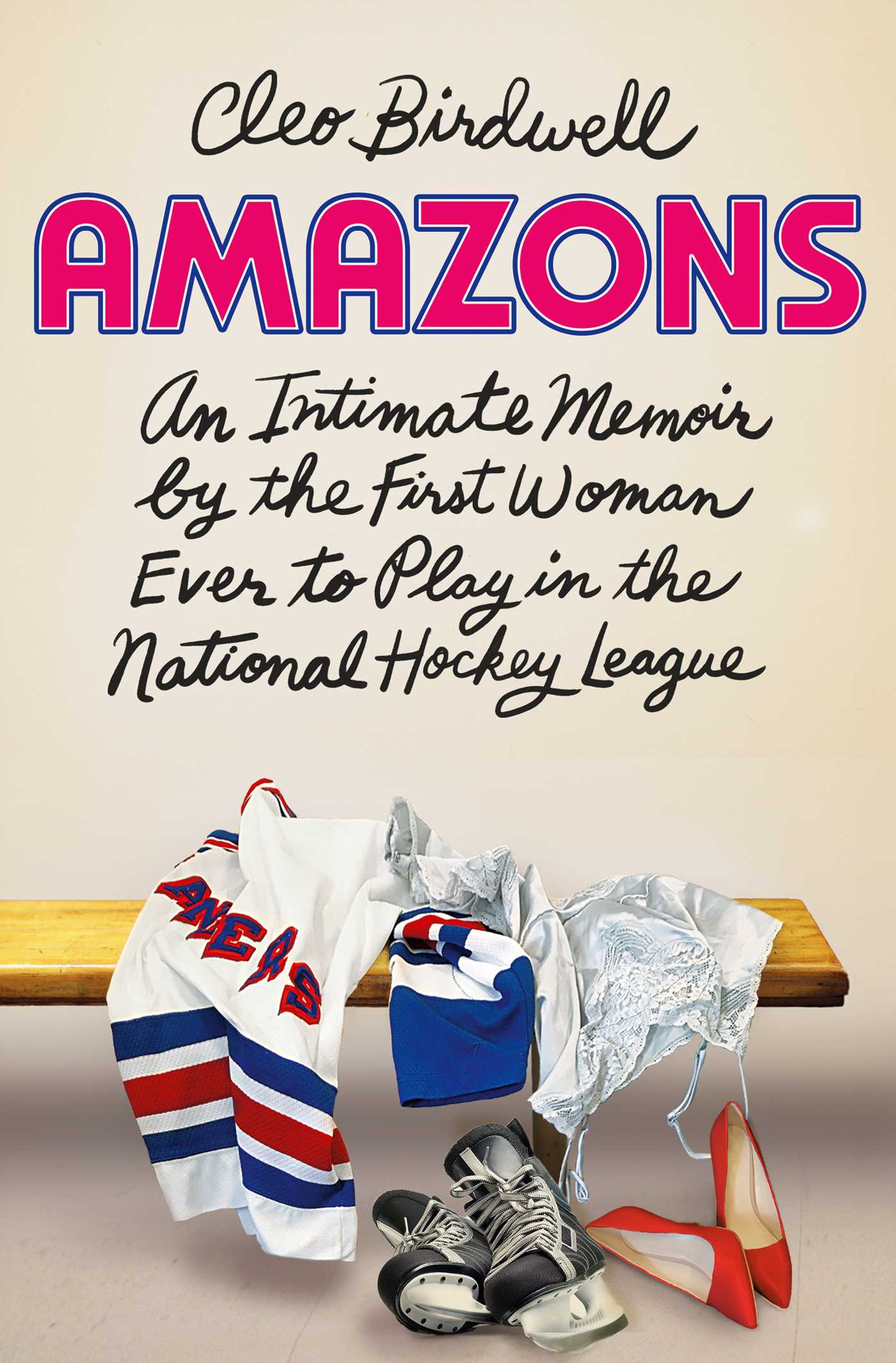
Nearly 40 years before Heated Rivalry hit bookshelves, Don DeLillo wrote a smutty hockey novel of his own under a pseudonym; when he was discovered to be the author, he disavowed it—only for Scribner to reissue the book this year.
Radio Night by Yuri Andrukhovych, tr. Mark Andryczyk (NYRB)
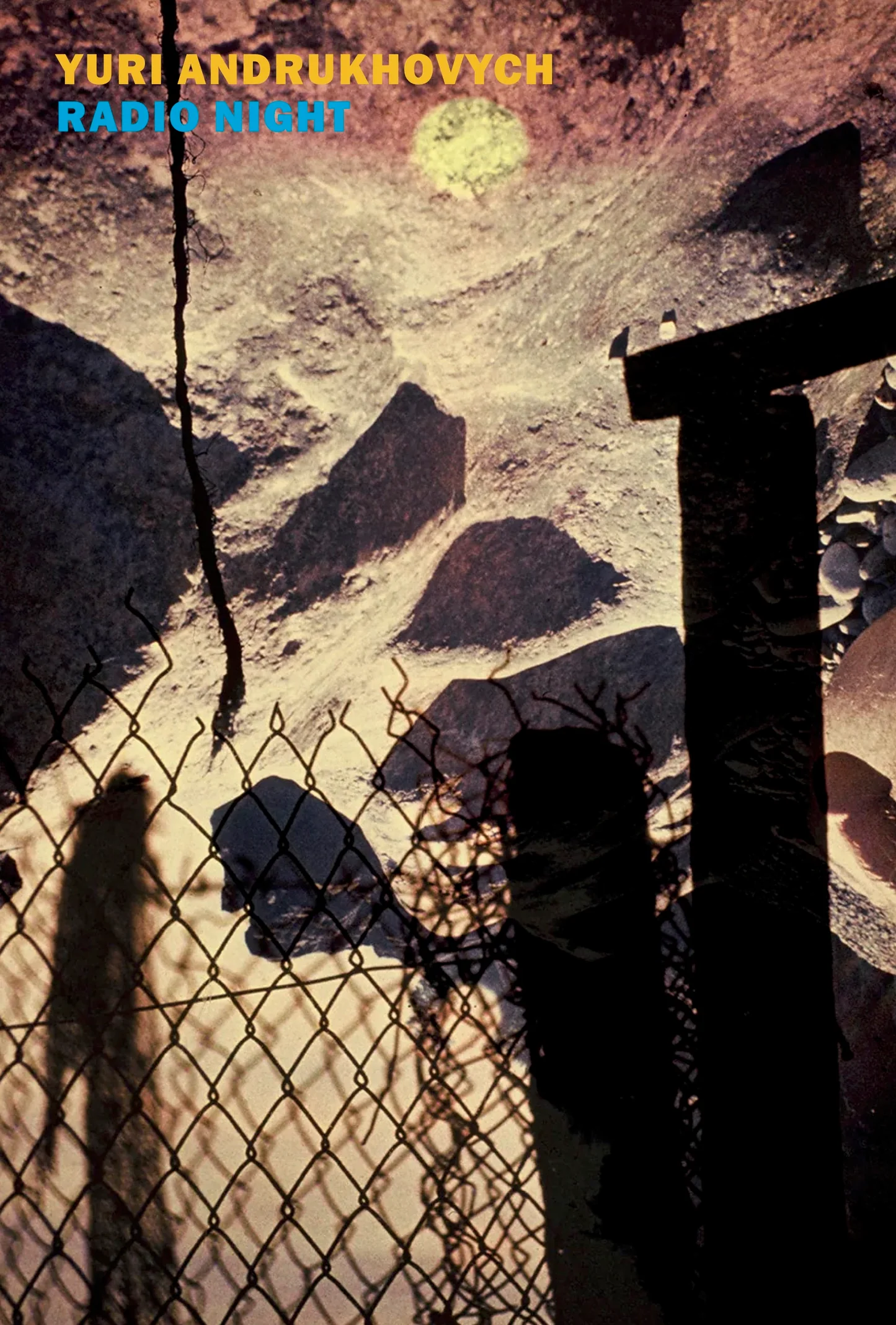
The Ukrainian prose stylist tells the story of a legendary pianist whose life in exile is imperiled when he is implicated in the death of the dictator of his long-oppressed country.
In the Round by Rebecca Handler (McSweeney’s)
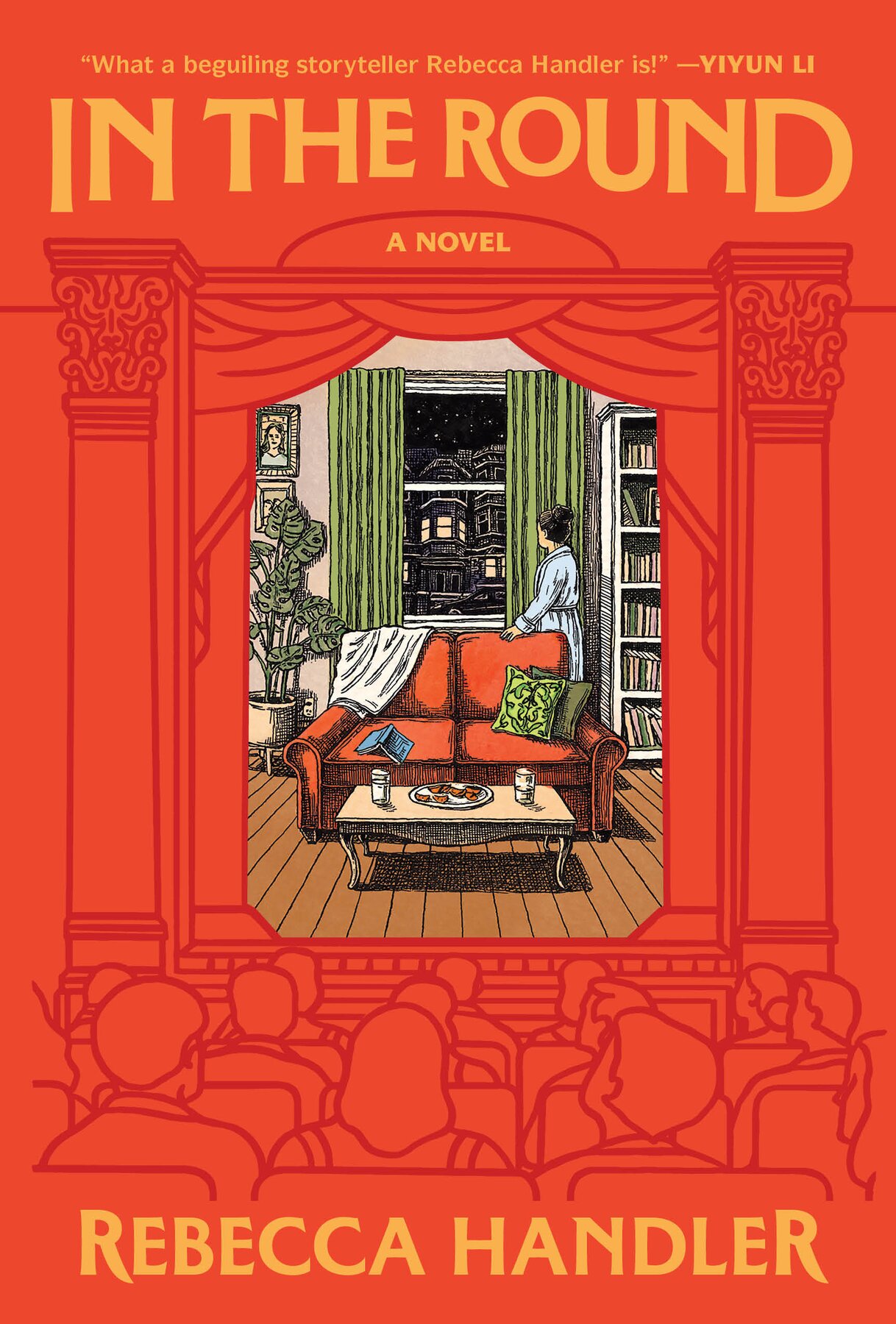
Handler’s sophomore novel centers on a woman who is plunged into a “feminist Kafkaesque literary mystery” that unfolds over a single night in San Francisco, during which “theatrical elements”—a cast list, a prop list, an intermission—begin to creep in.
Phantoms by Rima Brusi, tr. Jessica Powell(Arte Público)
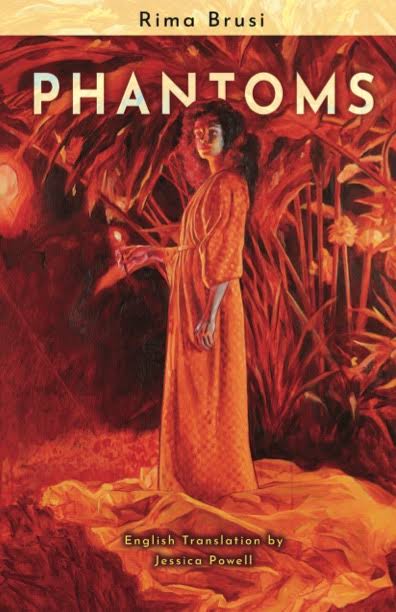
Rima’s memoir traces four generations of women—her great-grandmother through herself—to probe questions of motherhood, memory, inheritance, and obsession.
Platinum Era of Gospel by Charrise Barron (Harvard)
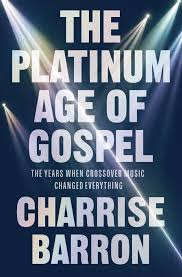
Musicologist Barron debuts with a multifaceted account of American gospel music’s shift toward the cultural mainstream. Read more.
Fieldwork as a Sex Object by Meena Kandasamy (Soft Skull)
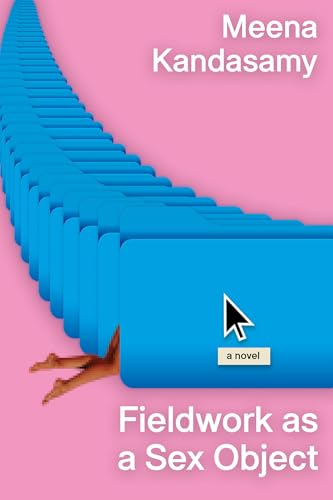
An Indian grad student in London is pilloried online after someone posts a deepfake porn clip featuring her face in this incisive novel about Hindu misogyny from Kandasamy. Read more.
The Lies We Tell for America by Ber Anena (Flatiron)
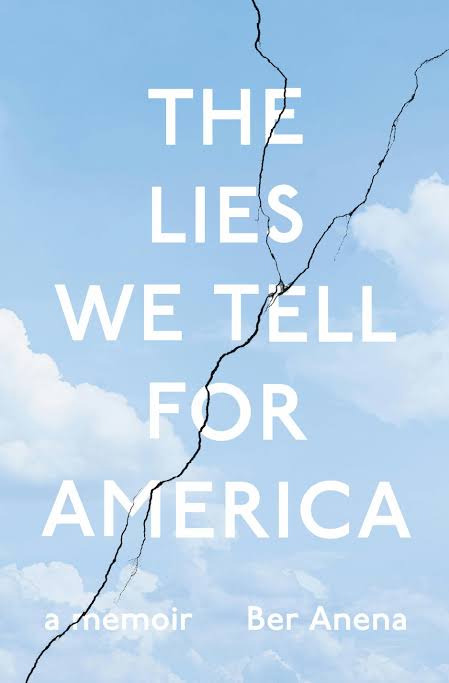
In 2019, Ugandan poet Anena was accepted to Columbia University’s MFA writing program, but without funding. This vulnerable memoir recounts not only Anena’s shrewd fundraising efforts—she secured enough money to pay the $100,000 bill through a combination of crowdfunding, paid poetry readings, and begging the university—but also the difficulties she endured once she reached the U.S. Read more.
*
December
Weird Era by Ryan Schreiber (FSG)
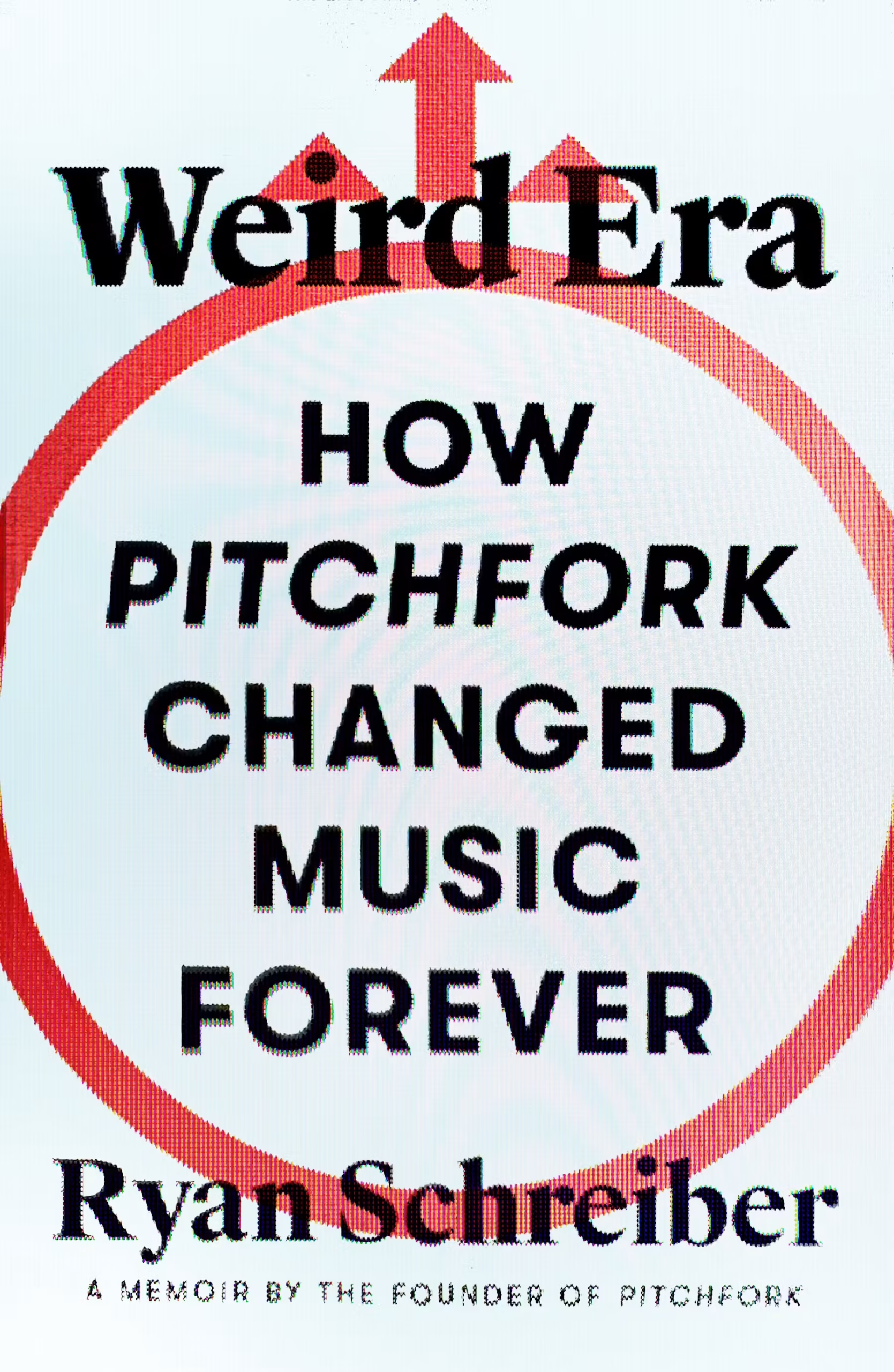
The Pitchfork founder recounts the rise of the influential music site, the boom and bust of digital media, the maturation of indie rock, and more in this wide-ranging memoir.
Murder on the Graf Zeppelin by Samir Machado de Machado, tr. Rahul Bery (Pushkin Vertigo)
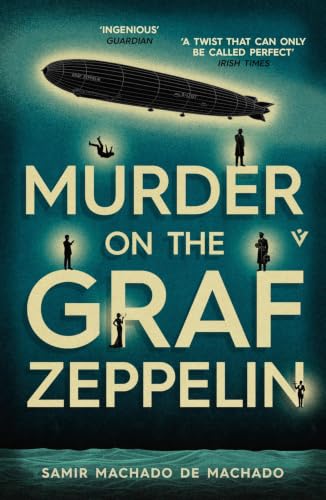
This ingenious riff on the locked-room mystery from Brazilian novelist Machado de Machado, making his English-language debut, takes place on a luxuriously appointed zeppelin traveling from Germany to Rio de Janeiro in 1933. Read more.
A Natural History of the Spirits by Jori Lewis (New Press)
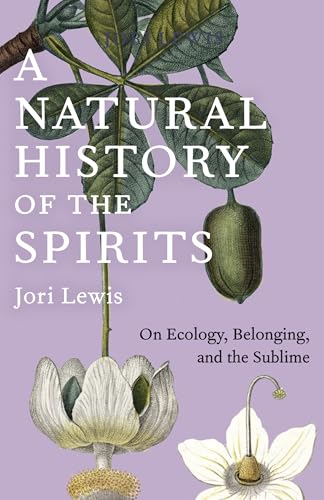
Journalist Lewis, winner of the James Beard and Whiting awards, explores the politics of natural history in this profound essay collection. Read more.
Wild Aster by Anna Hogeland (Bloomsbury)
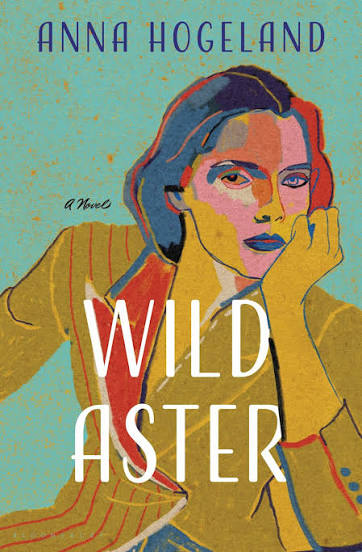
Hogeland, a psychotherapist and author of the novel The Long Answer, chronicles the ravages of motherhood in her sympathetic sophomore effort. Read more.
The Windowman by Christopher Goffard (Crooked Lane)
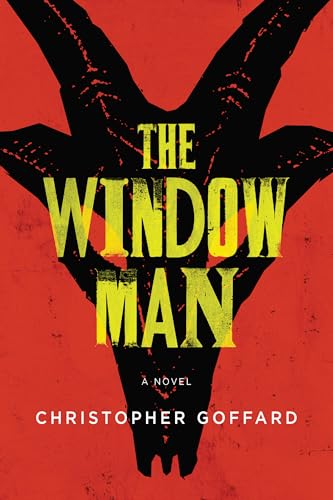
In this wicked satirical thriller, Pulitzer winner Goffard crafts a sharp story of serial killers, celebrity culture, and parasocial relationships. Read more.
Fabrications by Zachary Mason (Grove Atlantic)
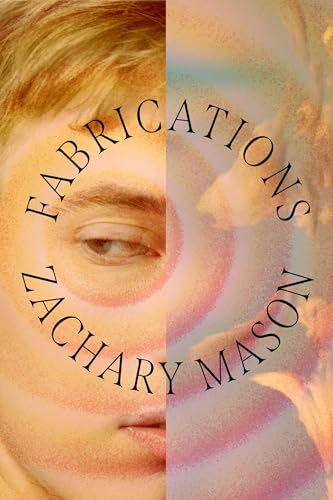
“You’d be like the Olympian gods, greater perhaps in power than in wisdom, your humanity dwindling into the past,” says the narrator of “Context,” one of the stories in this clever collection from Mason…. If there’s one takeaway from Mason’s inspired and kaleidoscopic collection, it’s that while machines might claim to know more than us, at least we have lived. Read more.
Bohemians on the Breadline by Lauren Arrington (St. Martins)
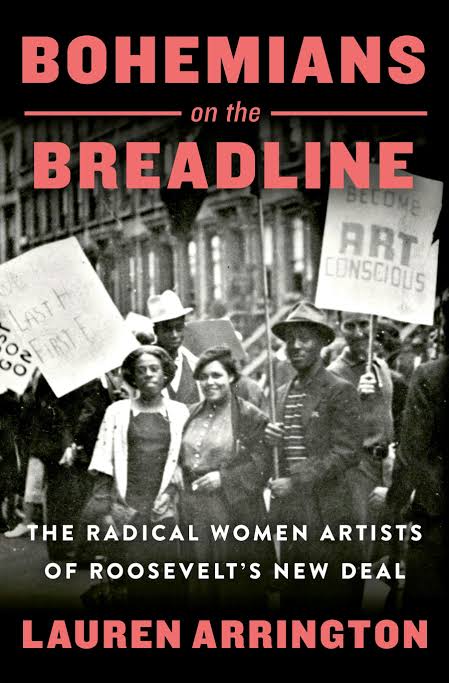
Historian Arrington offers an exceptional survey of the women artists supported by the New Deal, particularly those whose works upend today’s stereotypical vision of New Deal art as social realist murals depicting stagnant gender roles like “the dignified laborer” vs. “the long-suffering woman tending to the homestead.” Read more.
Notorious by Hayley Nolan (St. Martin’s)
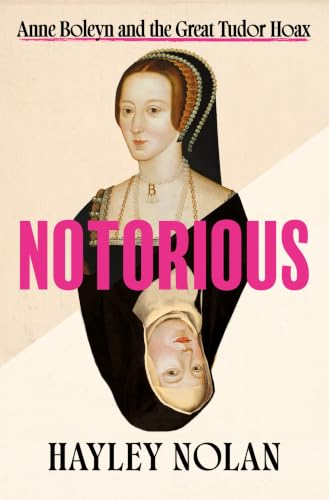
Doom-laden prophecies from a maid turned celebrity nun contributed to the seven-year delay of Henry VIII’s marriage to Anne Boleyn, according to this gripping account. Read more.
The Blue Hours by Stephanie Krzywonos (Washington Square)
Essayist Krzywonos processes her trauma at the bottom of the world in her gloomy debut memoir. Read more.
A Year with Gilbert White by Jenny Uglow (FSG)
Uglow, a historian and the author of Sybil & Cyril, reconstructs a year in the life of pioneering naturalist Gilbert White (1720–1793) in this breathtaking and innovative biography. Read more.
Opening Night by Sara Baume (FSG)
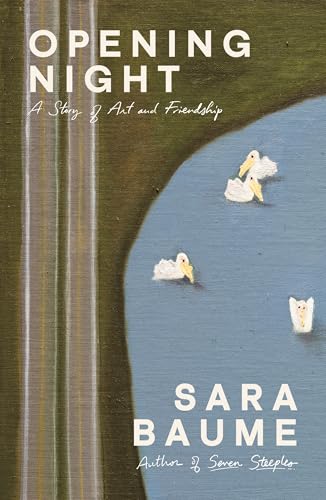
Irish novelist Baume examines her relationship with painter Mollie Douthit in this evocative memoir. Read more.
Primeval and Other Times by Olga Tokarczuk, tr. Antonia Lloyd-Jones (Riverhead)
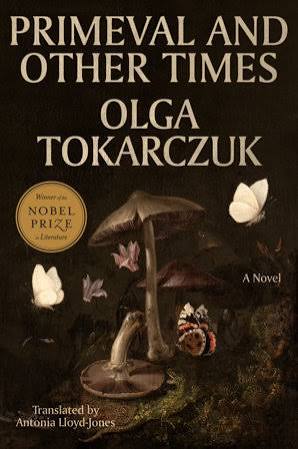
This strange and alluring 1996 novel from Nobel winner Tokarczuk spans both world wars in the fictional Polish village of Primeval, described in the book’s first line as “the place at the center of the universe.” Read more.
The Fair Fields by Rosanna Warren (Norton)
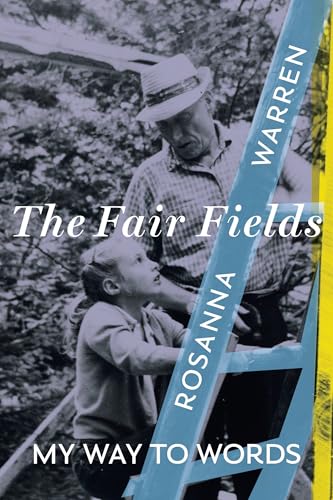
Poet Warren illuminates her artistic development in this evocative and insightful memoir-in-essays. Read more.
Friends by Aurora Venturini, tr. Kit Maude (Soft Skull)
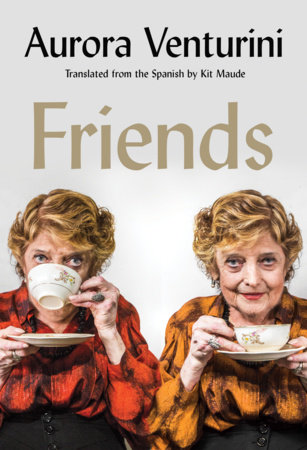
The late Argentine writer’s novel follows a successful octogenarian artist who returns to her hometown after decades living abroad, reckoning with friends old and new.
Anne Carson and the Unknown, ed. Christine Wiesenthal and Helena Van Praet (University of Michigan)
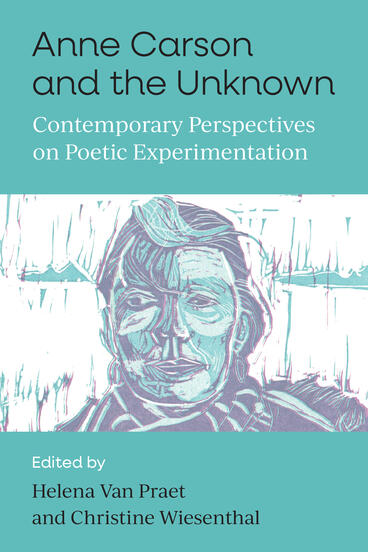
Bringing together perspectives ranging from the world of quantum physics to feminist literary criticism, this collection explores how the newly minted Nobel laureate’s practice of “engaging with the unknown” can help demystify our current moment.